Focus on the manufacturing and export of functional sofas
-
 +86 18257273741
-
 [email protected]

 English
 Español
Industry News
 Home / News / Industry News / Fabric Corner Recliner: Features, Comfort & Buying Guide for Your Home
 Fabric Corner Recliner: Features, Comfort & Buying Guide for Your Home
 2026.04.22
 Industry News
Content
- 1 What Is a Fabric Corner Recliner and Why Choose One
- 2 Construction and Frame Engineering
- 3 Upholstery Fabric Options and Performance
- 4 Reclining Mechanisms and Control Options
- 5 Modular Configurations and Seating Arrangements
- 6 Advanced Features and Smart Integration
- 7 Care, Maintenance, and Longevity
- 8 Selection Guide for Your Space
What Is a Fabric Corner Recliner and Why Choose One
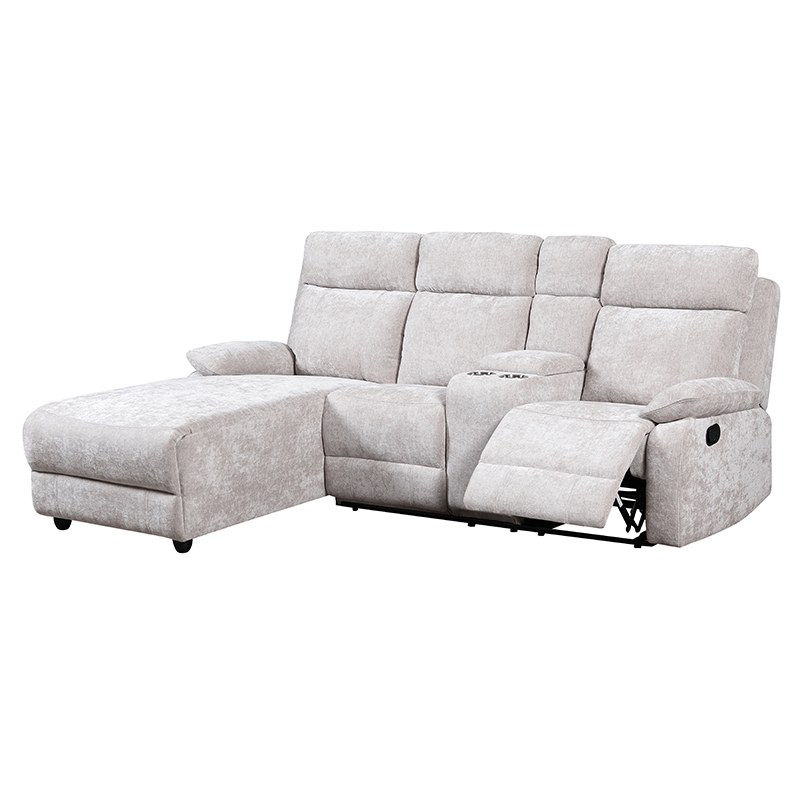
A fabric corner recliner is a large L-shaped or U-shaped sectional sofa that combines multiple seating positions with integrated reclining mechanisms, upholstered in soft textile materials rather than leather. This furniture piece serves as the central relaxation hub for modern living rooms, accommodating 5 to 7 people while providing individual reclining comfort for multiple users simultaneously. Unlike traditional leather recliners, a fabric corner recliner offers superior breathability, softer surface texture, and a wider range of color and pattern options that integrate seamlessly with contemporary interior design schemes. For families seeking maximum seating capacity without sacrificing individual comfort, the fabric corner recliner delivers the optimal balance of space efficiency, aesthetic versatility, and personalized relaxation technology.
Construction and Frame Engineering
The structural integrity of a fabric corner recliner depends on a robust internal frame system that must withstand repeated mechanical stress from reclining mechanisms while supporting substantial user weight across extended seating spans.
Frame Materials and Durability
Premium fabric corner recliner models utilize kiln-dried solid hardwood frames constructed from oak, birch, or pine, reinforced with plywood cross-bracing to prevent warping and joint failure. The frame must support individual seat weight capacities ranging from 250 lbs to 330 lbs per seating position, with total sofa loads exceeding 1,500 lbs for full-size corner configurations. Metal base components and reclining mechanism housings are typically fabricated from powder-coated steel to resist corrosion and maintain structural alignment through thousands of operational cycles. Lower-cost alternatives may employ engineered wood or composite frames, which offer adequate performance for lighter use but may develop squeaks or joint looseness under heavy daily use.
Suspension and Support Systems
The seating platform of a fabric corner recliner relies on sinuous spring systems, zig-zag springs, or high-tensile elastic webbing to distribute weight evenly across the cushion area. Sinuous S-shaped springs anchored to the frame provide consistent support with minimal sagging over time, while zig-zag springs offer enhanced elasticity for softer initial comfort. High-density foam cushions with densities ranging from 35D to 45D provide the primary comfort layer, with thicknesses of 10 cm or greater ensuring long-term resilience. Premium models incorporate pocket coil springs within the cushions for individualized pressure distribution that adapts to body contours.
Upholstery Fabric Options and Performance
The fabric covering of a fabric corner recliner significantly impacts comfort, durability, maintenance requirements, and aesthetic character. Modern textile technology has produced specialized upholstery fabrics that rival leather in durability while offering superior tactile comfort and design flexibility.
Common Fabric Types
- Polyester Microfiber: Highly durable, stain-resistant, and easy to clean with a soft texture that resists pilling and fading. Ideal for households with children or pets.
- Chenille: A textured fabric with a velvety surface that provides luxurious softness and visual depth. Offers good durability with a cozy aesthetic.
- Linen and Linen Blends: Natural fiber upholstery with breathable, eco-friendly characteristics. Provides a classic aesthetic but requires more careful maintenance.
- Technology Fabric: Advanced synthetic textiles engineered to mimic leather texture while offering superior breathability, water resistance, and stain repellency.
- Rhino Fabric: Premium heavy-duty upholstery specifically developed for recliner applications, combining exceptional wear resistance with easy-clean properties.
Fabric Performance Specifications
Quality upholstery fabrics for fabric corner recliner applications typically achieve Martindale abrasion resistance ratings exceeding 30,000 cycles, ensuring years of use without significant wear. Stain-resistant treatments create a protective barrier that allows liquid spills to bead on the surface for easy blotting rather than immediate absorption. Color fastness ratings ensure that direct sunlight exposure will not cause noticeable fading within the expected product lifespan. Fabric weights range from 300 GSM to 450 GSM, with heavier fabrics offering greater durability and a more substantial feel.
Reclining Mechanisms and Control Options
The defining feature of any fabric corner recliner is its ability to transform individual seating positions from upright to fully reclined postures. Modern mechanisms offer smooth, quiet operation with multiple control interfaces to suit user preferences and mobility levels.
Manual Reclining Systems
Manual fabric corner recliner mechanisms operate through a side-mounted lever or pull-tab that releases a spring-loaded footrest while allowing the backrest to recline against body pressure. These systems require no electrical connection, making them suitable for any room location and immune to power failures. The reclining range typically extends from 90 degrees upright to 160 degrees near-fully reclined, with a tension adjustment knob enabling users to customize the resistance required to push the backrest backward. Manual systems are more affordable and mechanically simpler, though they demand physical effort to operate and cannot lock at intermediate positions as precisely as power alternatives.
Power Reclining Systems
Power fabric corner recliner models incorporate electric motors controlled by side-mounted buttons, remote controls, or touch panels. These systems enable infinite position adjustment with minimal physical effort, making them ideal for elderly users or individuals with limited mobility. Power mechanisms operate quietly at approximately 50 decibels and typically include memory functions that store preferred positions for instant recall. Many power fabric corner recliner models feature USB charging ports integrated into the console or armrest, allowing users to charge mobile devices while relaxing. The power supply requires connection to a standard electrical outlet, with some models offering battery backup for limited operation during power outages.
| Feature | Manual Recliner | Power Recliner |
|---|---|---|
| Operation Effort | Physical leverage required | Button press only |
| Position Control | Limited preset angles | Infinite adjustment |
| Power Requirement | None | Electrical outlet needed |
| Additional Features | Basic reclining only | USB ports, memory, lights |
| Price Range | Lower cost | Premium pricing |
| Best For | Budget-conscious, mobile users | Elderly, limited mobility, luxury |
Modular Configurations and Seating Arrangements
A fabric corner recliner is typically composed of multiple modular sections that can be arranged in various configurations to suit room dimensions and user preferences. Understanding the component options enables informed purchasing decisions that maximize both comfort and spatial efficiency.
Standard Modular Components
The typical fabric corner recliner configuration includes left-arm and right-arm reclining seats, armless stationary seats, armless reclining seats, corner wedges, and multifunctional consoles. A common 7-seat arrangement combines two corner recliners, two armless recliners, two stationary armless seats, and one central console. The corner wedge section, typically measuring approximately 117 cm wide, provides the transition between perpendicular seating runs while offering additional lounging space. Consoles with integrated cup holders, storage compartments, wireless charging pads, and reading lights enhance functionality without requiring separate side tables.
Dimensional Planning
Standard fabric corner recliner dimensions range from 227 cm by 227 cm for compact 5-seat models to over 380 cm by 205 cm for expansive 7-seat configurations with electric chaise sections. Seat depths typically measure 50 to 53 cm, with seat heights of 47 to 50 cm accommodating average adult proportions. Overall heights including back cushions reach 90 to 102 cm. When planning room layout, allow additional clearance of 15 to 20 cm behind the sofa for full reclining travel, unless selecting a wall-hugger design that requires only 10 cm clearance. Wall-hugger fabric corner recliner models slide forward as they recline, making them ideal for smaller living rooms where space is at a premium.
Advanced Features and Smart Integration
Contemporary fabric corner recliner designs incorporate technology and convenience features that transform the sofa from passive furniture into an integrated living room command center.
Storage and Convenience Features
Multifunctional consoles in modern fabric corner recliner models offer storage compartments for remotes, magazines, and gaming controllers, alongside integrated cup holders that prevent beverage spills on upholstery. Drop-down table sections convert armless seats into convenient surfaces for laptops, snacks, or dining, complete with electrical outlets and dual USB ports for device charging. Concealed reading lights with adjustable brightness create ambient illumination for nighttime use without disturbing other occupants. Some premium models include wireless charging pads built into armrests, supporting compatible smartphones without cable clutter.
Massage and Heating Functions
High-end fabric corner recliner options incorporate vibration massage motors with multiple intensity levels and programmed patterns targeting the lumbar region, thighs, and back. Lumbar heating elements provide soothing warmth that complements massage functions and offers therapeutic benefits for users with chronic back discomfort. These features are typically controlled through the same interface as the reclining mechanism, with independent on-off switches for each function. While massage and heating add cost and complexity, they significantly enhance the relaxation experience for users seeking spa-like comfort at home.
Care, Maintenance, and Longevity
Proper maintenance extends the lifespan of a fabric corner recliner and preserves its appearance and comfort characteristics through years of daily use.
Routine Cleaning Protocols
Vacuum the upholstery weekly using an upholstery attachment to remove dust, crumbs, and pet hair before they embed into the fabric fibers. Address spills immediately by blotting with an absorbent cloth rather than rubbing, which can spread the stain and damage fabric texture. Use mild detergent solutions or dedicated upholstery cleaners for stubborn spots, testing on an inconspicuous area first. Avoid strong liquid cleaners or soaking the fabric, as excessive moisture can damage internal foam and promote mold growth. Consider applying a fabric protector spray after purchase for an additional defense layer against everyday wear and accidental spills.
Mechanism Maintenance
Lubricate reclining mechanism pivot points annually with silicone-based lubricant to maintain smooth, quiet operation and prevent squeaking. Inspect electrical connections on power models periodically for loose plugs or cord damage. Tighten any visible frame bolts or screws that may loosen after extended use. Avoid placing excessive weight on armrests or console sections, as these areas are not designed to support full body weight. With proper care, a quality fabric corner recliner should provide 10 to 15 years of reliable service before requiring significant component replacement.
Selection Guide for Your Space
Choosing the ideal fabric corner recliner requires evaluating room dimensions, household needs, usage patterns, and budget constraints to ensure the selected model delivers lasting satisfaction.
Key Selection Factors
- Measure your room carefully, accounting for reclining clearance, walkways, and adjacent furniture placement
- Determine seating capacity needs based on family size and typical entertaining patterns
- Select fabric type considering pets, children, and cleaning preferences: microfiber for durability, chenille for luxury, technology fabric for stain resistance
- Choose reclining mechanism: manual for simplicity and cost savings, power for effortless operation and advanced features
- Verify frame construction: solid hardwood preferred over particle board for longevity
- Test seat firmness in person when possible, as online descriptions of soft, medium, and firm vary between manufacturers
- Confirm delivery access: measure doorways, staircases, and elevators to ensure the sofa can be moved into your space
A fabric corner recliner represents a significant furniture investment that will anchor your living room for years. Prioritize quality construction and durable upholstery over trendy features that may become obsolete. Leading manufacturers offer warranties ranging from 1 year on foam and fabric to 3 years on frames, with some premium brands providing lifetime frame guarantees. The right fabric corner recliner transforms your living space into a comfortable, functional gathering place that accommodates both daily family life and special occasion entertaining.
LET'S TALK

Bai Shuiwan Industrial Park, Tian Huangping Town, Anji County, Huzhou City, Zhejiang Province, China
More About Us 
-
+86 18257273741
-
[email protected]
CONTACT US
Copyright © Anji Xuanbo Household Co., Ltd. All Rights Reserved.
Custom Modern Upholstered Sofa Manufacturers


