Focus on the manufacturing and export of functional sofas
-
 +86 18257273741
-
 [email protected]

 English
 Español
Industry News
 Home / News / Industry News / Heavy Duty Power Lift Recliners: Buyer's Guide to Capacity, Frame & Features
 Heavy Duty Power Lift Recliners: Buyer's Guide to Capacity, Frame & Features
 2026.05.20
 Industry News
Content
- 1 What Makes a Power Lift Recliner "Heavy Duty"?
- 2 Weight Capacity Ratings: What the Numbers Actually Mean
- 3 Frame Construction: What Separates a Durable Chair from a Liability
- 4 Lift Mechanism Types: Two-Position, Three-Position, and Infinite
- 5 Upholstery and Foam: Durability Under Heavy Use
- 6 Features That Matter for Mobility-Impaired Users
- 7 Buying Guide: Matching the Chair to the User
What Makes a Power Lift Recliner "Heavy Duty"?
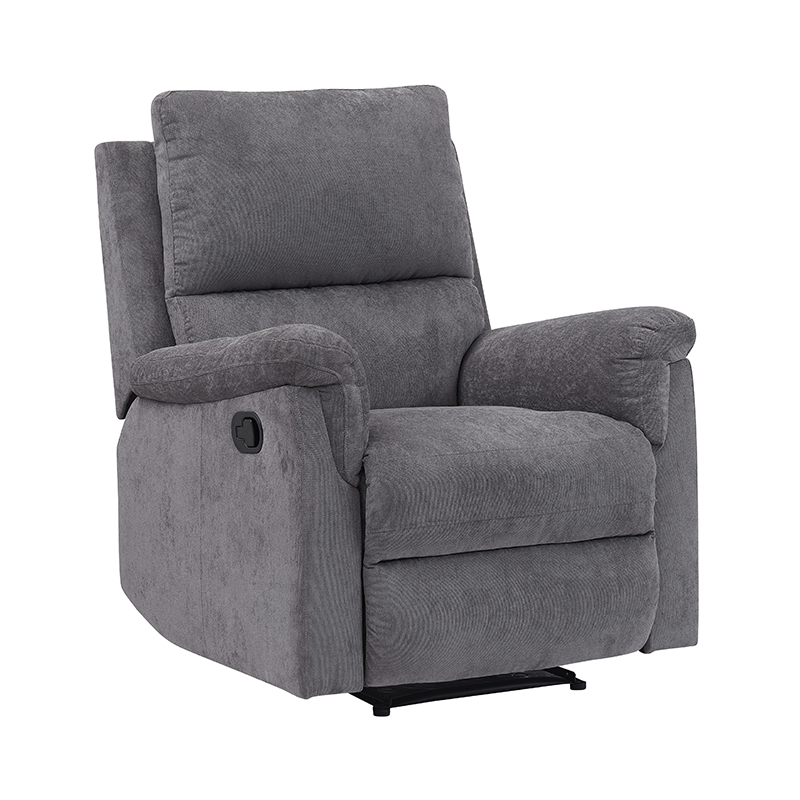
Standard power lift recliners are designed for users up to approximately 300–350 lbs and built around lift mechanisms rated for that weight range. Heavy duty power lift recliners are a distinct product category engineered specifically for higher weight capacities — typically 500 lbs, 600 lbs, or 700 lbs — with reinforced frames, higher-torque lift actuators, wider seating surfaces, and denser foam and fabric systems that maintain comfort and structural integrity under greater sustained load.
The "heavy duty" designation is not cosmetic. Every functional system in the chair is scaled up: the steel frame uses heavier-gauge tubing and more robust weld points; the lift motor is a higher-rated unit that delivers more torque across the full range of motion; the upholstery materials are selected for durability under greater compression cycles; and the base footprint is often wider to maintain stability when the lift mechanism extends forward at full tilt. A chair rated at 500 lbs that doesn't adequately reinforce all of these systems will fail structurally long before the rated load becomes relevant — which is why weight capacity certification and the supporting engineering behind it matter during product selection.
Weight Capacity Ratings: What the Numbers Actually Mean
Weight capacity ratings on power lift recliners represent the maximum static load the chair's structure and lift mechanism are certified to support. But the practical implications go beyond a single number, and understanding how manufacturers arrive at — and stand behind — these ratings helps in making a reliable purchase decision.
- Static vs. dynamic loading: A person lowering themselves into a lift recliner at full descent speed applies a dynamic impact load higher than their body weight. Reputable manufacturers test to dynamic loading factors — typically 1.5–2× the static rating — to ensure the frame and actuator survive real-world use without the user ever exceeding the stated capacity.
- Lift mechanism duty cycle: Lift actuators are also rated by duty cycle — how many consecutive lift-and-lower operations they can perform before requiring a cool-down period. Heavy duty chairs should use actuators rated for continuous or high duty cycle use, not light-duty motors that overheat after three or four cycles. For users who use the lift function frequently throughout the day, this distinction is critical.
- BIFMA certification: The Business and Institutional Furniture Manufacturers Association (BIFMA) publishes seating performance standards (ANSI/BIFMA X5.1) that include durability and load testing protocols. Chairs tested to BIFMA standards offer a higher confidence baseline than those with manufacturer-only self-certification.
- Warranty coverage at rated capacity: Some manufacturers rate a chair at 500 lbs but warrant the lift mechanism only up to 375 lbs in the fine print. Always verify that the warranty explicitly covers the stated weight capacity for both the frame and the lift system.
Frame Construction: What Separates a Durable Chair from a Liability
The internal frame is invisible at the point of purchase but entirely determines the chair's long-term performance under heavy use. There is no industry-standard minimum for frame construction in residential furniture, so the spread between manufacturers is wide.
Steel Frame vs. Wood Frame
Heavy duty lift recliners should use a welded steel frame as the primary structural element, not a wood or engineered wood frame. Wood frames — even kiln-dried hardwood — are susceptible to joint failure under the repeated eccentric loading introduced by the lift mechanism's forward extension. Steel tube frames (typically 16–18 gauge square or rectangular section) welded at all joints provide consistent load paths and do not loosen over time the way doweled or screwed wood joints do. Some chairs use a hybrid construction with a steel lift mechanism subframe mounted into a wood seating frame — acceptable if the steel subframe carries all lift loads, but the wood seating structure must still be robust for the rated weight.
Seat Support: Springs vs. Sinuous Wire vs. Webbing
The seat support system distributes load from the foam cushion into the frame. Eight-way hand-tied coil springs are the traditional premium option — individually tied in eight directions, they distribute load evenly and are highly durable. Sinuous (S-shaped) wire springs are the common mid-range option; adequate at lower weights but prone to fatigue and sagging under sustained heavy loading over time. Flat webbing straps are the lowest-cost option and the least suitable for heavy duty applications. For bariatric-range weight capacities (500 lbs+), coil spring or high-gauge sinuous wire support is strongly preferred.
Seat Width and Depth
A structurally sound heavy duty chair that is too narrow provides no practical value. Seat widths for heavy duty lift recliners typically range from 22″ to 28″ between the armrests at seat level — compared to 20–22″ for standard models. Users should measure hip width at the widest point and add 2–3 inches for comfortable seating without contact pressure against the armrests. Seat depth (front edge to backrest) affects thigh support and ease of standing; 20–24″ is the standard range, with deeper seats favoring taller users.
Lift Mechanism Types: Two-Position, Three-Position, and Infinite
The lift and reclining mechanism defines how much postural flexibility the chair provides, and different mechanism types suit different mobility needs and use patterns.
- Two-position mechanism: Moves between upright sitting and a partially reclined position — typically 45° or less of recline. The footrest rises as the back reclines, but the two movements are mechanically linked and cannot be adjusted independently. The simplest and most affordable configuration; suitable for users who primarily use the lift function and occasional light reclining.
- Three-position mechanism: Adds a fully reclined or near-flat sleeping position beyond the two-position range. Still a linked mechanism — back and footrest move together — but the extended range allows true napping and some users with leg edema benefit from the elevated leg position. The most common heavy duty configuration.
- Infinite position (zero-wall) mechanism: The back recline and footrest extension operate independently via separate actuators, allowing the user to find any combination of back angle and leg elevation. This is the most therapeutically flexible option — particularly important for users who need a specific Trendelenburg angle (legs elevated above heart level) for circulation management, or who require a zero-gravity position that distributes body weight evenly across the seated surface. Infinite position chairs use two motors, adding cost and adding one more electrical component that may require servicing over the product's life.
- Zero-wall (wall-hugger) design: A separate but important feature — the chair slides forward on its base as it reclines, so it can be positioned closer to a wall without the reclined backrest contacting the wall. For heavy duty users in smaller living spaces, this feature can determine whether the chair is physically usable in a given room layout. Standard recliners need 12–18″ of clearance behind them; zero-wall designs can operate with as little as 4–6″.
| Mechanism Type | Motors | Recline Range | Independent Adjustment | Best For |
|---|---|---|---|---|
| Two-Position | 1 | Upright to ~45° | No | Lift-assist primary use |
| Three-Position | 1 | Upright to near-flat | No | Napping, leg elevation |
| Infinite Position | 2 | Full range, any angle | Yes | Therapeutic, circulation |
Upholstery and Foam: Durability Under Heavy Use
Comfort and durability in a heavily used lift recliner depend on foam density and upholstery grade, both of which are frequently underspecified in product listings.
Foam Density and ILD Rating
Foam quality is described by two independent measurements: density (weight per cubic foot, indicating durability) and ILD (Indentation Load Deflection) (firmness, indicating feel). For heavy duty recliners, seat cushion foam should have a density of at least 1.8 lb/ft³ — preferably 2.0–2.5 lb/ft³ — to resist compression set (permanent sagging) under sustained heavy loads. High-resilience (HR) foam with a density of 2.5+ lb/ft³ is found in commercial and bariatric-grade seating and offers the best combination of support and longevity. ILD ratings of 35–50 are appropriate for heavier users — firmer foam reduces excessive sinking that makes standing more difficult and reduces the effective range of the lift mechanism.
Upholstery Materials
- Top-grain leather: The most durable and easiest to clean — important for users who spend significant time in the chair, as perspiration and skin oils degrade lower-grade materials faster than normal use. Top-grain (not bonded or split leather) maintains integrity over years of heavy use. Higher initial cost but lower replacement frequency.
- Polyurethane (PU) leather / vinyl: More affordable than genuine leather, moisture-resistant, and easy to wipe down. Quality varies widely — look for double-stitched seams and reinforced stress points at the seat front edge and armrest contact areas, which experience the most wear in heavy duty applications.
- Performance fabric: Tightly woven synthetic fabrics treated for stain resistance offer good breathability (an advantage over leather for users prone to heat discomfort) and abrasion resistance. Look for fabrics rated at 50,000+ double rubs (Wyzenbeek test) for heavy use applications.
Features That Matter for Mobility-Impaired Users
Heavy duty power lift recliners are often purchased specifically to assist users with limited mobility, joint pain, post-surgical recovery, or neuromuscular conditions. In these contexts, several features move from "nice to have" to functionally important.
- Lift angle: The lift mechanism should tilt the user forward to approximately 25–35° past vertical at full extension, placing body weight over the feet before the user bears their full weight. Insufficient lift angle — less than 15° forward — provides minimal assistance to users with weak leg muscles or significant lower extremity limitations.
- Armrest height and firmness: For users who push off the armrests when standing, armrests must be at a height that allows effective leverage (typically 7–9″ above the compressed seat surface) and must be structurally solid — padded armrests that compress under pushing force reduce the effective height and leverage available.
- Remote control design: A large-button, wired hand controller is standard. For users with limited hand dexterity, arthritis, or visual impairment, the button size, spacing, tactile differentiation, and cord length are practical accessibility factors. Some chairs offer wireless remotes or voice control integration; confirm battery life and backup options for wireless controllers.
- Battery backup: A power outage while fully reclined with legs elevated creates a genuine entrapment risk for users who cannot manually adjust their position. Chairs with a battery backup system allow the lift and recliner to return to the upright position during a power failure. This feature is strongly recommended for any user with significant mobility limitations.
- Heat and massage: Lumbar heat and seat vibration/massage are common add-on features. Therapeutic value varies by individual — heat is broadly beneficial for muscle stiffness; massage intensity and motor noise should be evaluated against user sensitivity, particularly for users with neuropathy or skin fragility conditions.
Buying Guide: Matching the Chair to the User
Given the significant cost and the functional importance of a heavy duty lift recliner for many users, matching the right specification to the individual's actual measurements and needs is worth a structured approach.
- Weight capacity with margin: Select a chair rated at least 50–100 lbs above the user's current weight. This preserves structural safety margin, accounts for weight fluctuation, and maintains full warranty coverage.
- Seat height: Measure from the floor to the back of the user's knee with feet flat. The compressed seat height should match this measurement ±1 inch. Too low a seat makes standing more difficult even with lift assistance; too high leaves feet dangling and increases pressure behind the knees.
- Seat width: Measure hip width at the widest point when seated and add 2 inches minimum. If the user wears a back brace or orthotic that adds width, measure with the device in place.
- Room clearance: Measure available floor space and wall clearance before ordering. A 500 lb-rated chair typically has a larger footprint than its catalog photo suggests — confirm extended dimensions (width, depth with footrest fully extended) against the room layout.
- Delivery and assembly: Heavy duty lift recliners typically ship in two pieces (base and back) and weigh 100–200 lbs assembled. Confirm the supplier offers white-glove delivery with in-home assembly and removal of packaging if the user cannot manage assembly independently.
- Trial period and return policy: Comfort in a lift recliner is highly individual. A 30-day in-home trial period allows the user to assess fit, comfort, and mechanism feel under real conditions — a provision worth paying a slight premium for given the difficulty of returning a 150 lb piece of furniture.
LET'S TALK

Bai Shuiwan Industrial Park, Tian Huangping Town, Anji County, Huzhou City, Zhejiang Province, China
More About Us 
-
+86 18257273741
-
[email protected]
CONTACT US
Copyright © Anji Xuanbo Household Co., Ltd. All Rights Reserved.
Custom Modern Upholstered Sofa Manufacturers


