Focus on the manufacturing and export of functional sofas
-
 +86 18257273741
-
 [email protected]

 English
 Español
Industry News
 Home / News / Industry News / How Long Do Electric Recliners Last? A Lifespan Guide with Real Data and Care Tips
 How Long Do Electric Recliners Last? A Lifespan Guide with Real Data and Care Tips
 2026.09.10
 Industry News
Content
- 1 How Long Do Electric Recliners Last? Start With Usage Level
- 2 What Wears Out First: Motor, Frame, or Upholstery
- 3 Electric vs Manual Recliner Lifespan: The Motor Changes the Math
- 4 Five Factors That Decide How Long Your Electric Recliner Lasts
- 5 Signs Your Electric Recliner Needs Repair or Replacement
- 6 Six Maintenance Habits That Add Years to an Electric Recliner
- 7 Electric Recliner Lifespan: Frequently Asked Questions
How long do electric recliners last? The practical answer is 7 to 15 years of normal household use, yet a heavy-use chair can fail at year 5 while a lightly used model passes 15 without a single repair. Six years in, a typical power recliner starts showing its age: a grinding actuator, slower recline travel, and upholstery cracking at the fold lines. None of that means the chair is dead, because upholstery, motor, and frame all age on different clocks.
The fastest-wearing parts are the ones you touch and the one that moves you: the seat foam, the motor actuator, and the covering material. Frame failure in the first decade is rare on a well-built chair. Once those three clocks are separated, buying becomes simple: pay for a hardwood frame, a rated actuator, and upholstery you can maintain.
7-15 yrs Typical lifespan
$80-$200 Motor repair range
50% Repair vs replace rule
How Long Do Electric Recliners Last? Start With Usage Level
An electric recliner lasts 7 to 15 years, and daily use time is the single largest variable in that range. A chair used one to two hours in the evening with three to five recline cycles will still feel tight at year 10. The same chair used six hours a day with 20 to 30 cycles — a home office, a big-family TV room, or a gaming setup — develops motor wear by year 5 or 6.
Suppliers plan for the heavy end because commercial and hospitality settings push an actuator 50 or more cycles a day. For a household, the realistic planning figure is 8 to 12 years at moderate use, which is why most manufacturers warranty frames and mechanisms for 5 to 10 years.
| Usage profile | Recline cycles per day | Expected lifespan |
| Light: 1-2 hours per day | 3-5 | 12-15 years |
| Moderate: 3-4 hours per day | 8-12 | 8-12 years |
| Heavy: 6+ hours per day | 20-30 | 5-7 years |
| Commercial: retail floor, hospitality | 50+ | 3-5 years |
Plan for 7 to 15 years. Expect 5 to 7 under heavy daily use — and 15+ only with maintenance.
What Wears Out First: Motor, Frame, or Upholstery
The actuator is the part that actually stops an electric recliner from working, but upholstery is the part that looks dead first. A quality electric recliner combines three replaceable systems with very different service lives. Knowing which one fails first prevents two expensive mistakes: scrapping a sound frame because the motor died, or paying to reupholster a chair whose mechanism is already worn.
Kiln-dried hardwood frames and steel mechanisms are rated for 15 to 20 years of household cycling. The motor actuator is the weaker link: typical furniture actuators are rated for a 10 to 25 percent duty cycle, which handles short recline adjustments well but overheats when a chair is worked continuously. When a chair stops reclining at year 6 or 7, the actuator is the first place a technician looks.
Typical service life by component
Hardwood frame 15-20 yrs
Steel mechanism 12-15 yrs
Motor actuator 8-12 yrs
Fabric upholstery 7-10 yrs
Leather / faux leather 5-8 yrs
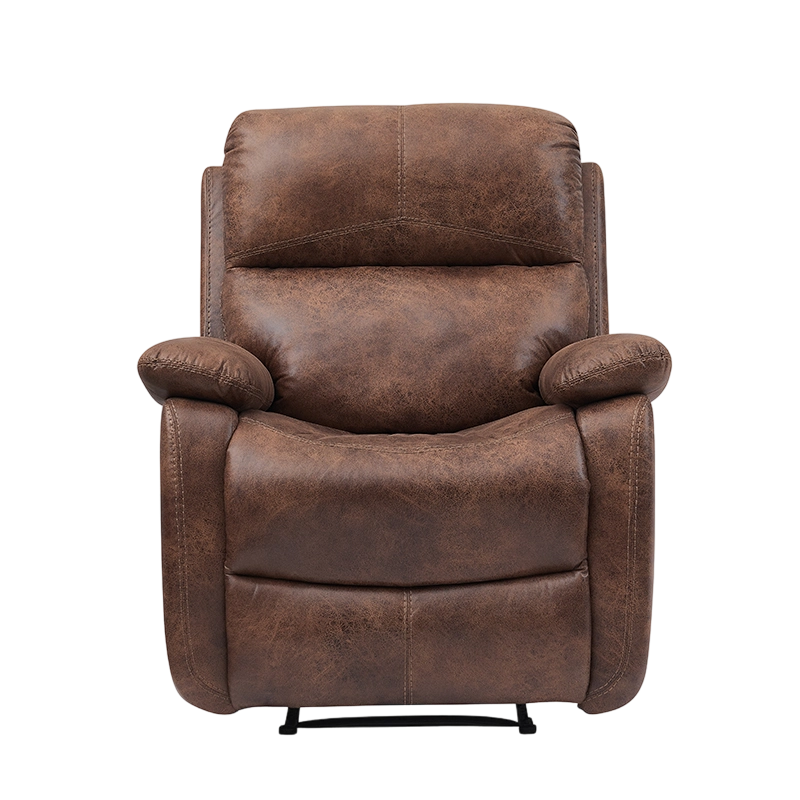
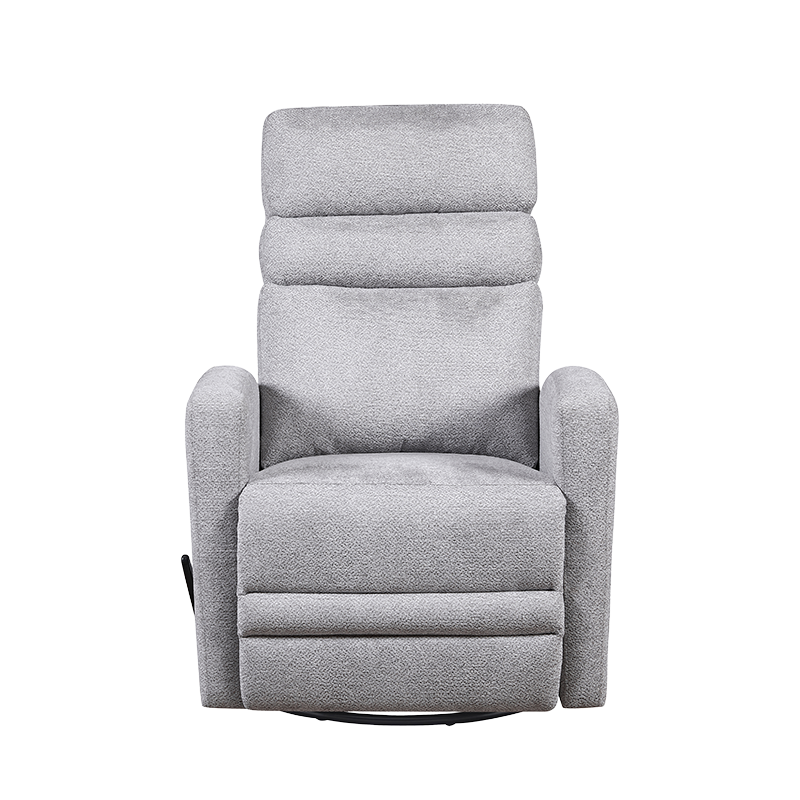
Actuator quality is the specification to check before you buy. Ask about the motor brand, rated load, and duty-cycle limit. A single-motor design with a tested linear actuator, like the power recliner with remote control from Anji Xuanbo Household Co., Ltd., is sized for daily home use and keeps serviceable parts simple.
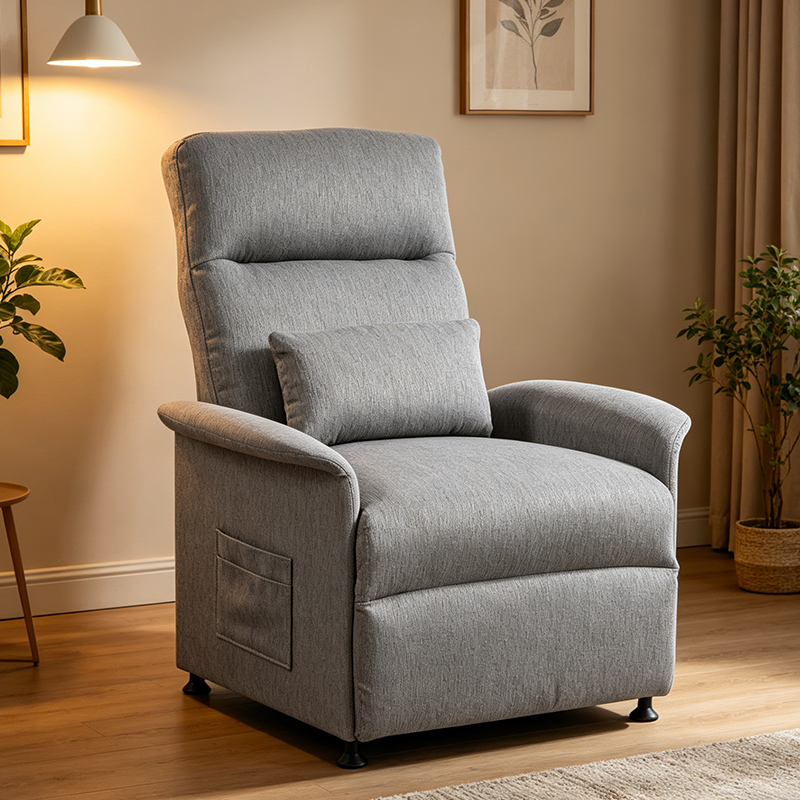 Power Recliner Chair with Remote Control by Anji XuanboThis electric recliner features a single-motor linear actuator and simple remote operation, making it a practical choice for daily home use with easy maintenance and quiet movement.View Product →
Electric vs Manual Recliner Lifespan: The Motor Changes the Math
Manual recliners last 10 to 20 years on average because a push-back mechanism has no motor, no wiring, and no actuator to burn out — electric models trade that simplicity for powered features. That is the real trade-off, not which brand lasts longer. A premium electric recliner with a hardwood frame and quality actuator will outlast a budget manual recliner built with particleboard and thin hinges. The mechanism decides the failure rate; the frame decides the upper limit.
Manual recliner
- Hinge-and-spring mechanism, no electronics
- Typical lifespan: 10-20 years
- Works during power outages
- Repairs: springs, pivots, $50-$150
Electric recliner
- Motor, actuator, wiring, transformer
- Typical lifespan: 7-15 years
- Power positions, USB, lift assist
- Motor replacement: $80-$200
The gap closes when you compare like for like. Our full manual vs electric recliner comparison guide walks through frame grades, mechanism types, and repair costs side by side.
Duty cycle is the ratio of running time to resting time a motor is rated for. Furniture actuators are typically rated at 10 to 25 percent duty cycle, so one to two minutes of continuous motion needs several minutes of rest. Repeatedly exceeding that limit is the most common way to kill an actuator before year 8.
Five Factors That Decide How Long Your Electric Recliner Lasts
Frame wood, motor duty cycle, body weight, room environment, and maintenance are the five variables that separate a 7-year chair from a 15-year chair. Two chairs from the same production line can differ by a decade of service if these five inputs pull in opposite directions.
- Frame material and joints: kiln-dried hardwood with doweled and glued joints outlasts particleboard, which delaminates under repeated recline stress.
- Motor duty cycle and rated load: an actuator rated for the weight of the intended user runs cooler and lasts longer than an undersized motor working near its limit.
- Weight load versus rated capacity: exceeding a 300 lb rating by even 20 to 30 pounds accelerates wear on both the actuator and the recline linkage.
- Room conditions: direct sunlight degrades upholstery in two to three years, and humidity above 60 percent attacks foam and electrical contacts.
- Maintenance consistency: cleaning, surge protection, and annual bolt checks add two to four years of service, with no change to the chair itself.
The heavier a chair is used, the more margin you need. A chair rated 300 lb used daily at 280 lb will outlast the same chair operated at its maximum every day.
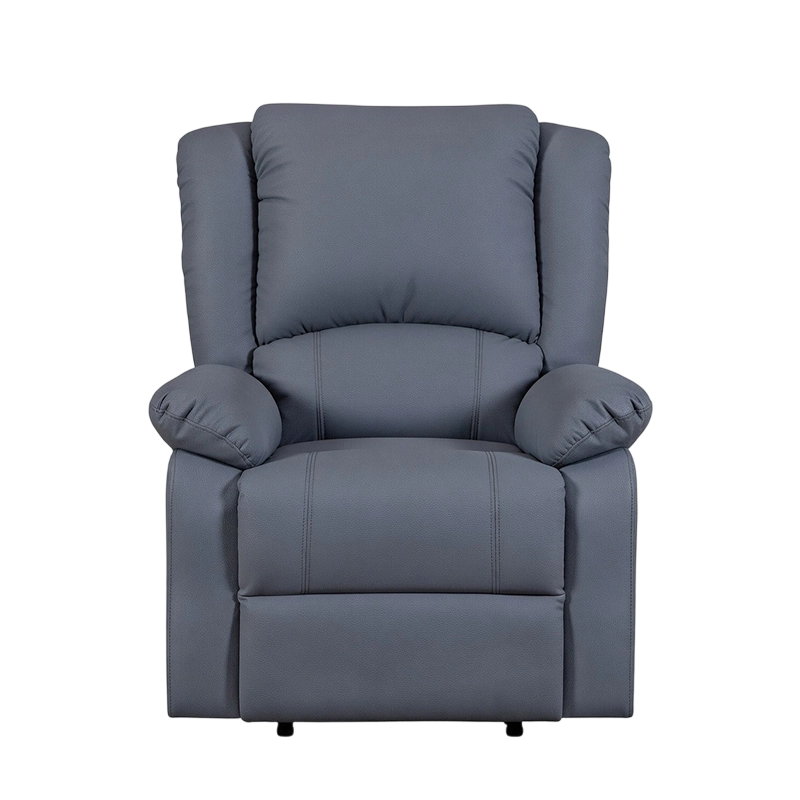
Leather grade shows up early in lifespan. Full-grain and top-grain leather flex at the fold lines for a decade or more; bonded leather cracks at the same spots by year 4 or 5. A leather electric power recliner with USB ports pairs a durable covering with a serviceable single-motor mechanism — a common specification for exactly that reason.
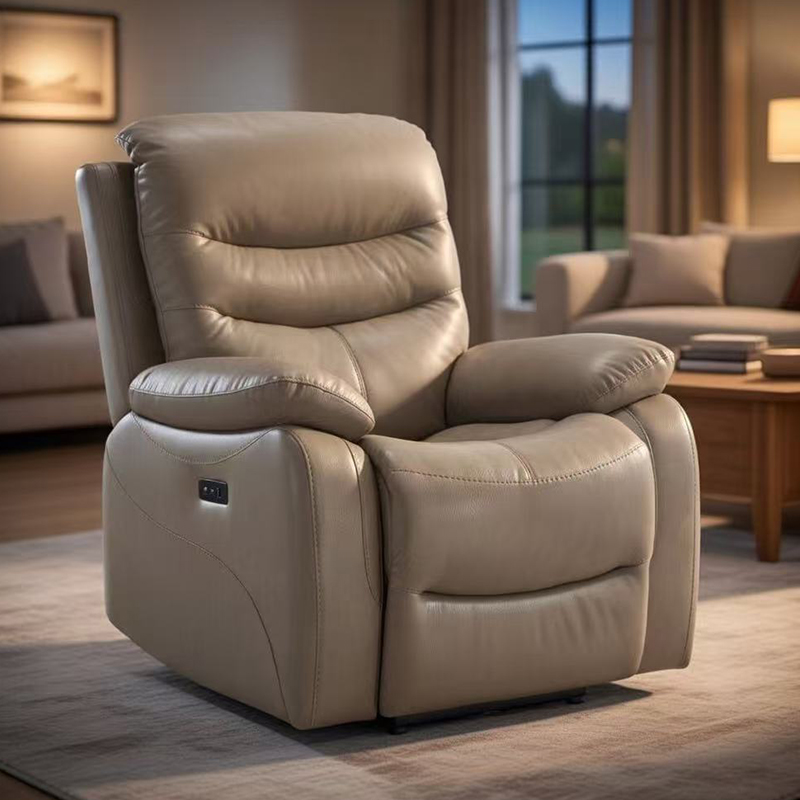 Leather Electric Power Recliner with USB Charging PortCombining durable leather upholstery with a kiln-dried hardwood frame and a serviceable single-motor mechanism, this recliner offers both comfort and long-term reliability.View Product →
Signs Your Electric Recliner Needs Repair or Replacement
When the motor grinds, the chair sags, or the upholstery cracks, run a simple cost test: if the repair exceeds half the replacement price, replace the chair. Grinding and slow recline are actuator symptoms; a wobbling seat deck or creaking joints point to the frame; cracking at the fold lines is upholstery failure.
| Symptom | Likely cause | Typical repair cost | Verdict |
| Grinding or slow recline | Worn actuator | $80-$200 | Repair if frame is solid |
| Stops mid-cycle, then works again | Overheated motor | $80-$200 | Repair and check duty cycle |
| Wobble, creaking joints | Loose or cracked frame | $150-$400 | Usually replace |
| Cracking, peeling upholstery | Bonded leather, sun damage | $200-$500 to recover | Replace on chairs under $800 |
| Sagging seat cushion | Foam breakdown | $60-$150 refill | Repair |
The 50 percent rule: if the repair quote is more than half the price of an equivalent new chair, replace the chair. If the frame is sound and the fix falls below that line, repair — a $120 actuator swap can add 5 to 7 more years.
Six Maintenance Habits That Add Years to an Electric Recliner
Cleaning weekly, staying within the weight limit, and using a surge protector are the three habits with the biggest return on an electric recliner's lifespan. Each one targets an actual failure mode: dirt grinds the moving parts, overload strains the actuator, and voltage spikes damage the motor controller.
- Vacuum fabric weekly and wipe leather with a damp cloth; condition leather twice a year.
- Keep weight at or below the nameplate rating, not the marketing image.
- Plug the chair into a surge protector; actuators are sensitive to line voltage spikes.
- Let the motor rest between adjustments and avoid rapid repeated cycles.
- Keep the area under the chair clear so the recline track never blocks.
- Tighten bolts and pivots once a year; a loose joint accelerates frame wear.
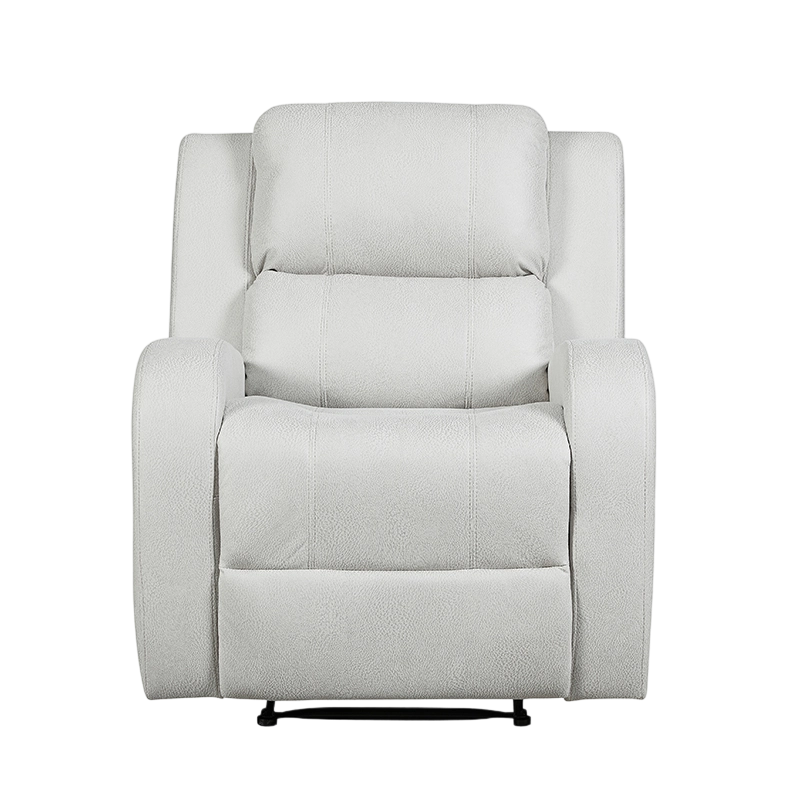
These habits matter even more on lift chairs, where the actuator works harder to assist standing. Anji Xuanbo builds heavy-duty lift chairs with oversized actuators and reinforced frames specifically for daily assisted use; with the routine above, the motor alone reaches 10 to 15 years.
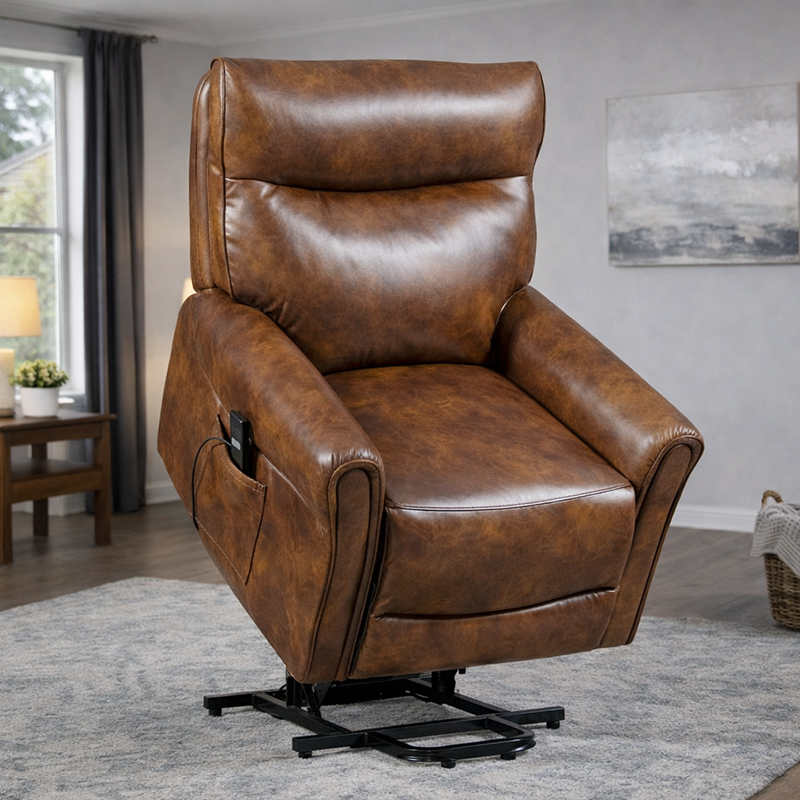 Heavy-Duty Power Lift Recliner for Elderly with Overstuffed DesignBuilt with oversized actuators and a reinforced frame for daily assisted use, this lift chair gently raises users to a near-standing pose and includes a side pocket for convenience.View Product →
Most actuator failures are thermal or electrical, not mechanical. Surge protection and rest periods address the root cause directly, which is why they stretch lifespan more than any polish or cleaner.
Electric Recliner Lifespan: Frequently Asked Questions
Can an electric recliner last 20 years?
Yes, but not without intervention. A hardwood-framed chair used lightly can reach 20 years if you replace the actuator once around year 10 and recover the upholstery at least once. Without those two repairs, 20 years sits outside the normal range — most chairs are replaced at 7 to 15 years because that is the point where repair and replacement costs converge.
What breaks first on a power recliner?
The actuator is the most common failure point, followed by the recline linkage and seat foam. Upholstery usually shows visible wear first, especially at the fold lines, but the actuator is the component that actually stops the chair from reclining.
Is it worth repairing the motor on an electric recliner?
Usually, if the frame and upholstery are still in good condition. Motor replacement typically costs $80 to $200 and buys another 5 to 7 years on a sound frame. Apply the 50 percent rule: above that threshold, a new recliner is the better financial call.
Do manual recliners last longer than electric ones?
On average, yes — 10 to 20 years versus 7 to 15 — because there is no motor or wiring to fail. The gap narrows when you compare a quality electric model against a budget manual one. Frame quality sets the ceiling; the motor simply determines which component you will repair first.
Bottom line: choose a hardwood frame, a rated actuator, and upholstery you can maintain — then maintain it. That combination reliably reaches the top of the 7 to 15-year range, and repair costs along the way stay under control.
LET'S TALK

Bai Shuiwan Industrial Park, Tian Huangping Town, Anji County, Huzhou City, Zhejiang Province, China
More About Us 
-
+86 18257273741
-
[email protected]
CONTACT US
Copyright © Anji Xuanbo Household Co., Ltd. All Rights Reserved.
Custom Modern Upholstered Sofa Manufacturers


