
 English
 Español
Anji Xuanbo Household Co., Ltd. was established in 2021 and is located in Anji County, Huzhou City, Zhejiang Province, which is renowned as the "Capital of Chair Industry" worldwide. It is only 3 hours' drive from Shanghai Port and Ningbo Port. The transportation is very convenient. We are China Large Leather Corner Sofa Manufacturers and Wholesale
Fabric Corner Recliner Sofa Factory. It is an actual technology enterprise integrating industrial design, product research and development, large-scale production, independent marketing, and technical services.
The company mainly deals in functional sofas, fixed sofas, corner sofas, lounge chairs, etc. The factory area is approximately 8,000 square meters, and it has over 100 employees. Relying on a strong R&D design capability and management team, comprehensive and excellent manufacturing capabilities, and precise product positioning, the company actively expands the market and its products are exported to North America, Europe, the Middle East, and other domestic and foreign regions.
Focus on the manufacturing and export of functional sofas
-
 +86 18257273741
-
 [email protected]

Select Category
Large Fabric/Leather Corner Recliner Sofa Manufacturers
-
8002C Chenille chaise sectional sofa with ottoman
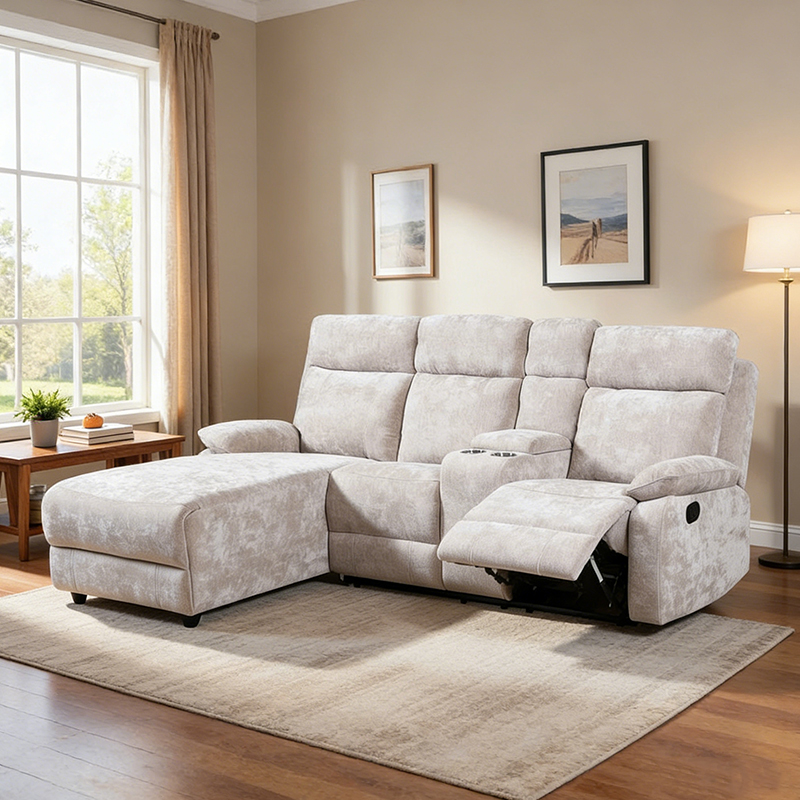
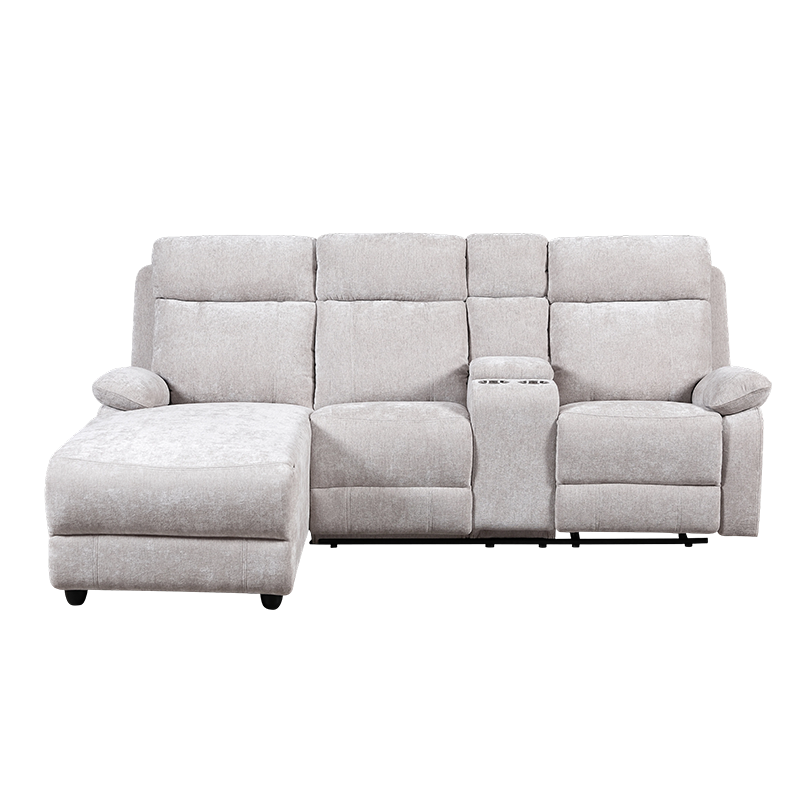
Parameters:
Elevate your living space with this modern L-shaped sectional sofa, thoughtfully designed for comfor...read more -
8006B 5 Piece manual reclining sectional corner sofa with cup holders in brown
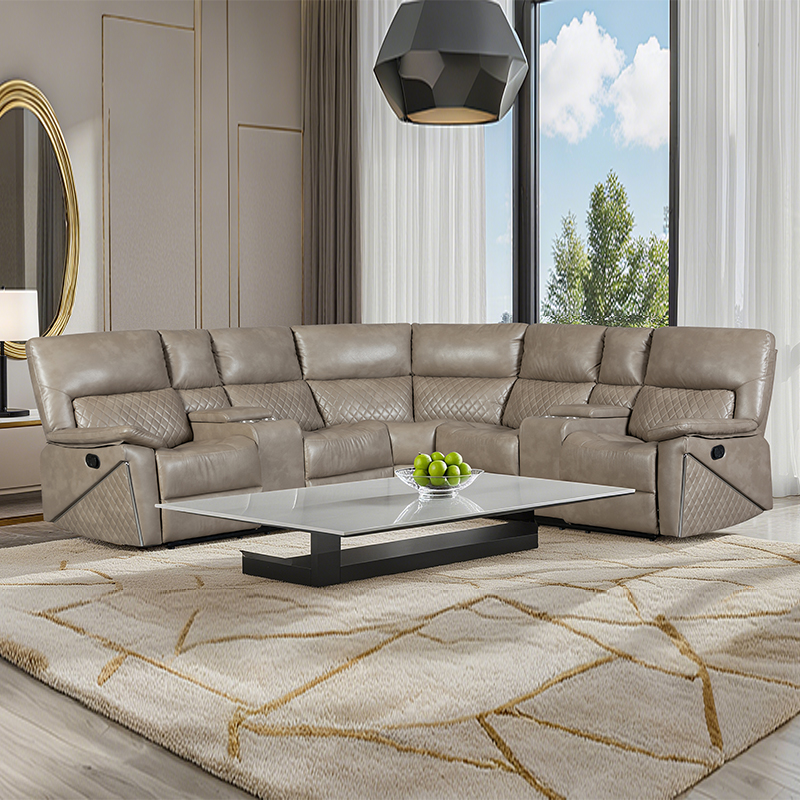
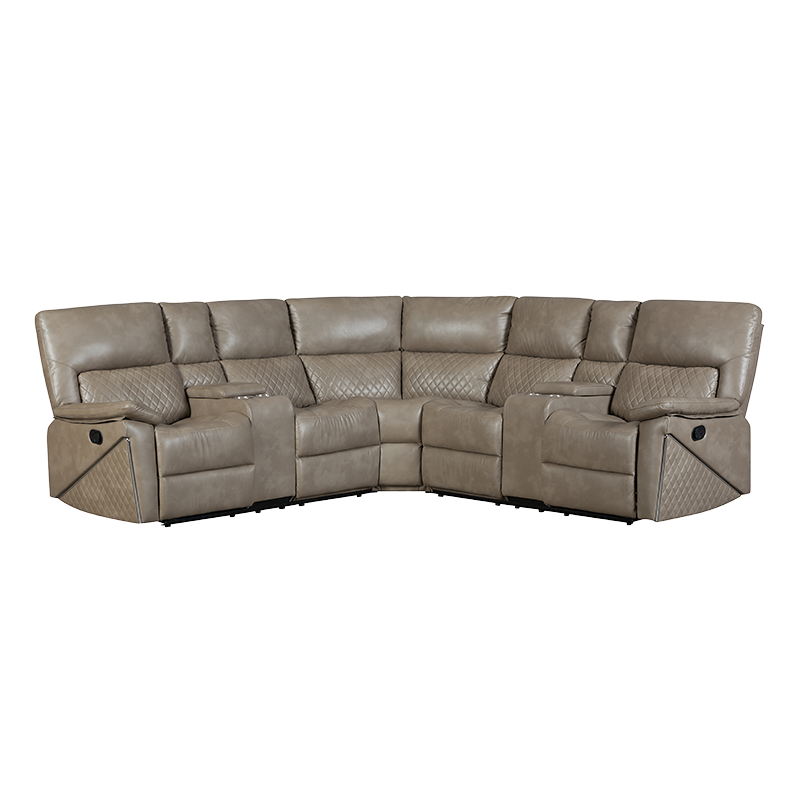
Parameters:
This contemporary living room sectional is a fabulous trendsetter in every regard. It is decked with...read more -
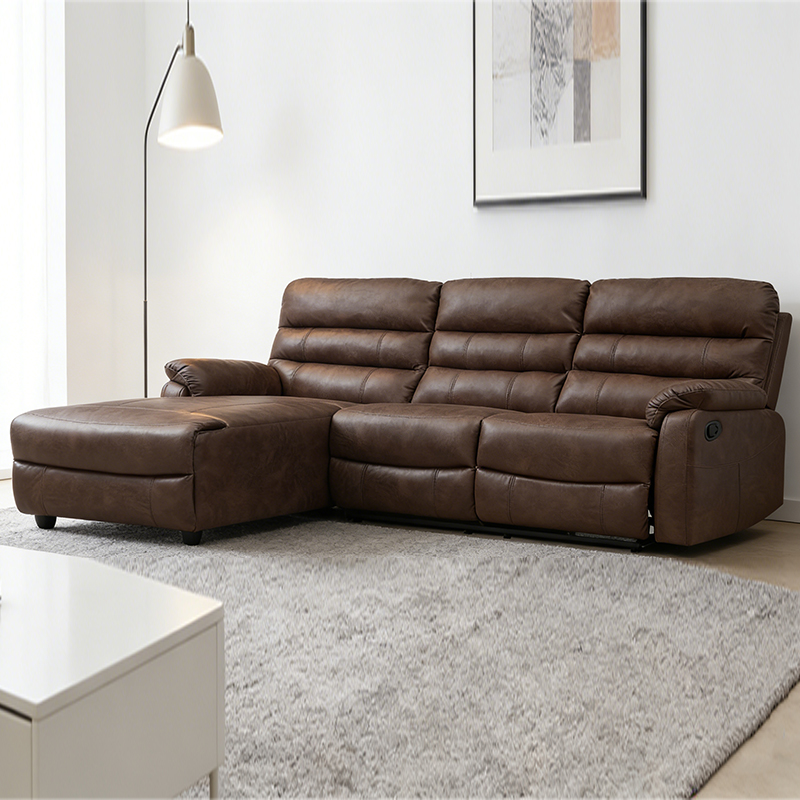
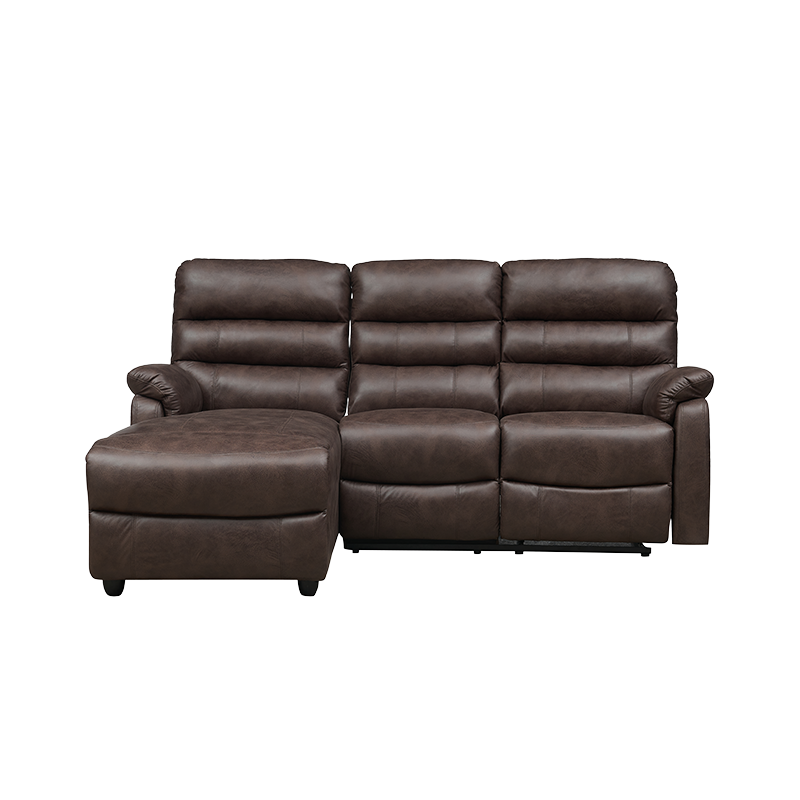
8346C L-shape comfy leather three-seat modular sectional sofa with ottoman
Parameters:
This sectional sofa is uniquely designed and suitable for a corner of the living room or leisure spa...read more -
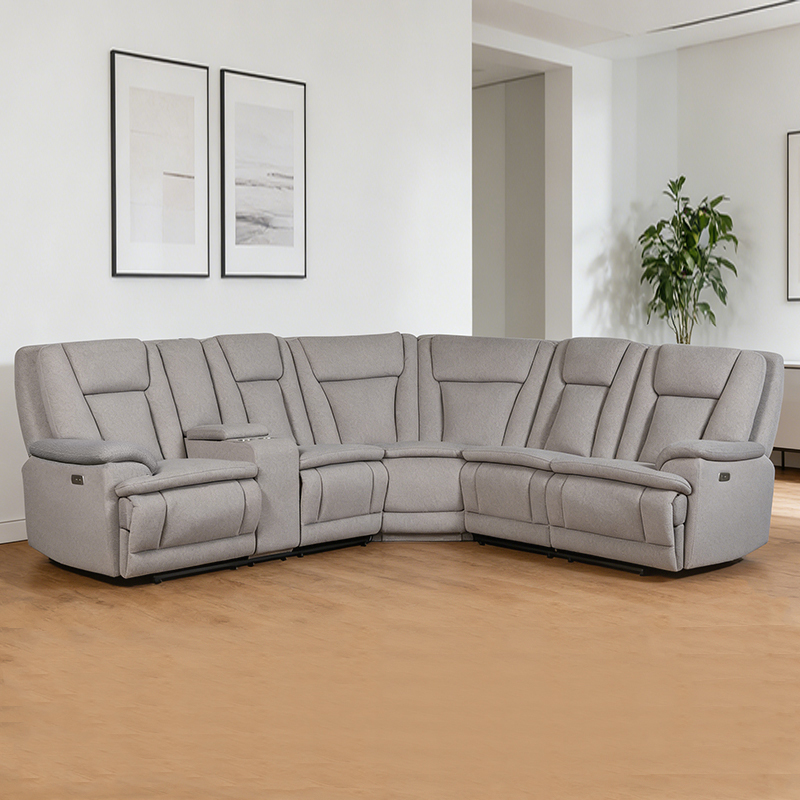
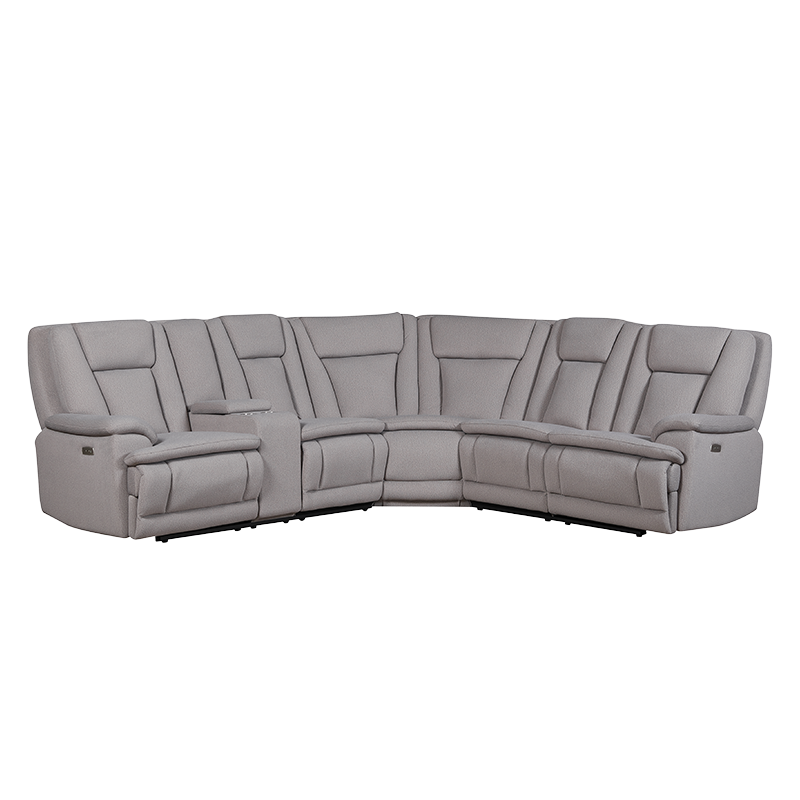
8072B 104''Power reclining sectional couch, modular livingroom recliner sofa
Parameters:
This contemporary living room sectional combines modern design with exceptional comfort. It features...read more -
8002 2-Piece Fabric Match Manual Reclining Sofa Set
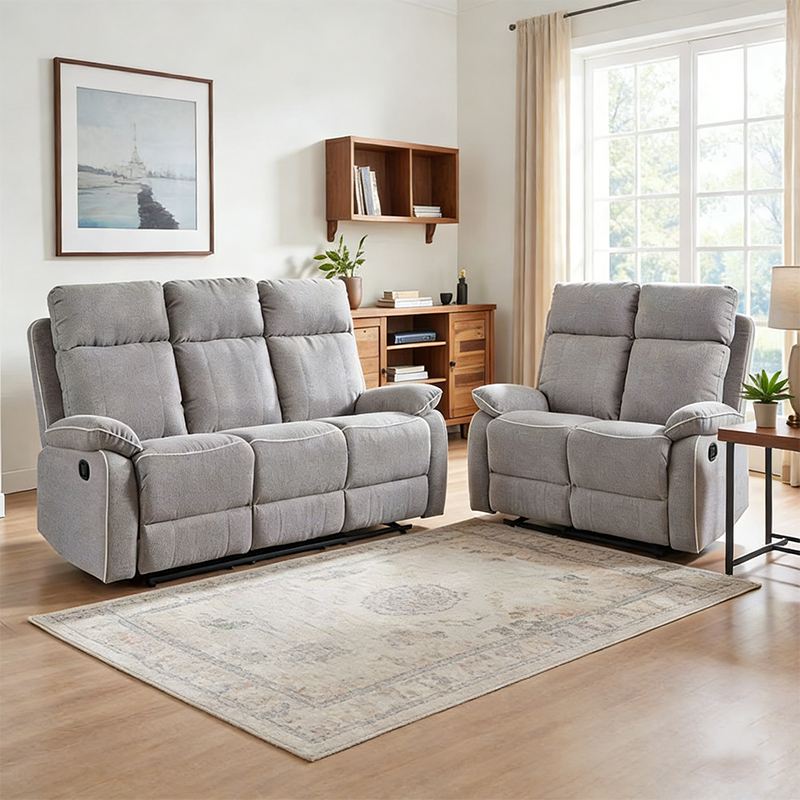
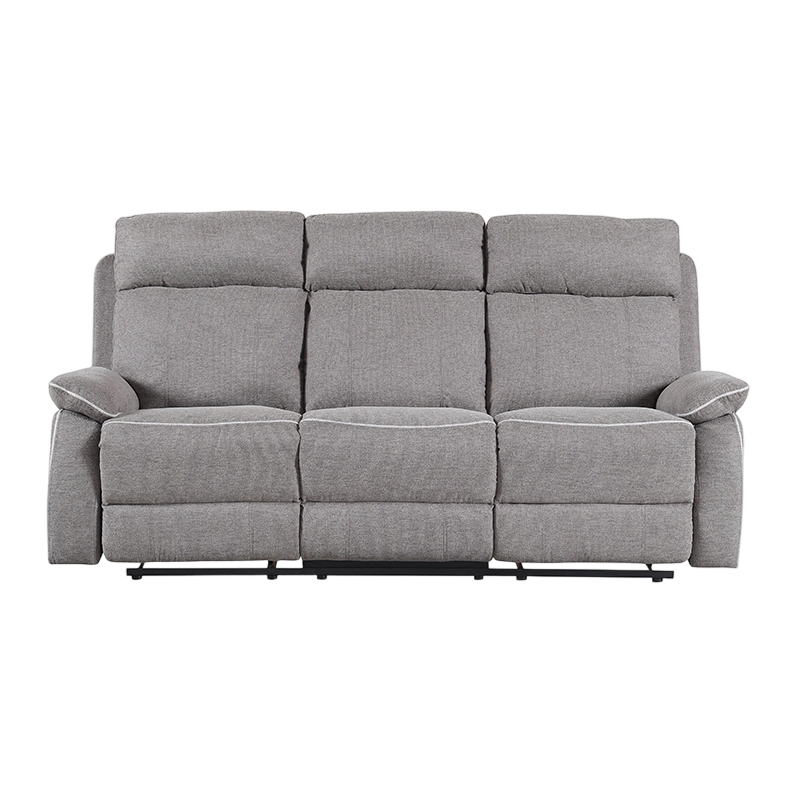
Parameters:
Designed with stylistic versatility and comfort in mind, the Papyrus Collection's addition to your h...read more -
8007C Blue Upholstered Manual Recline Sectional with Chaise and Storage
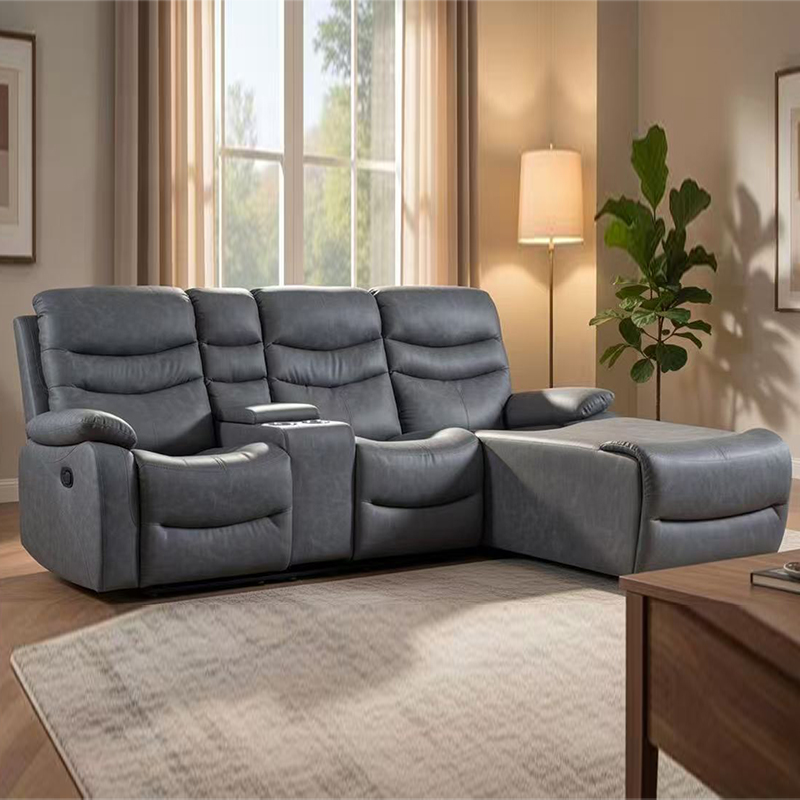
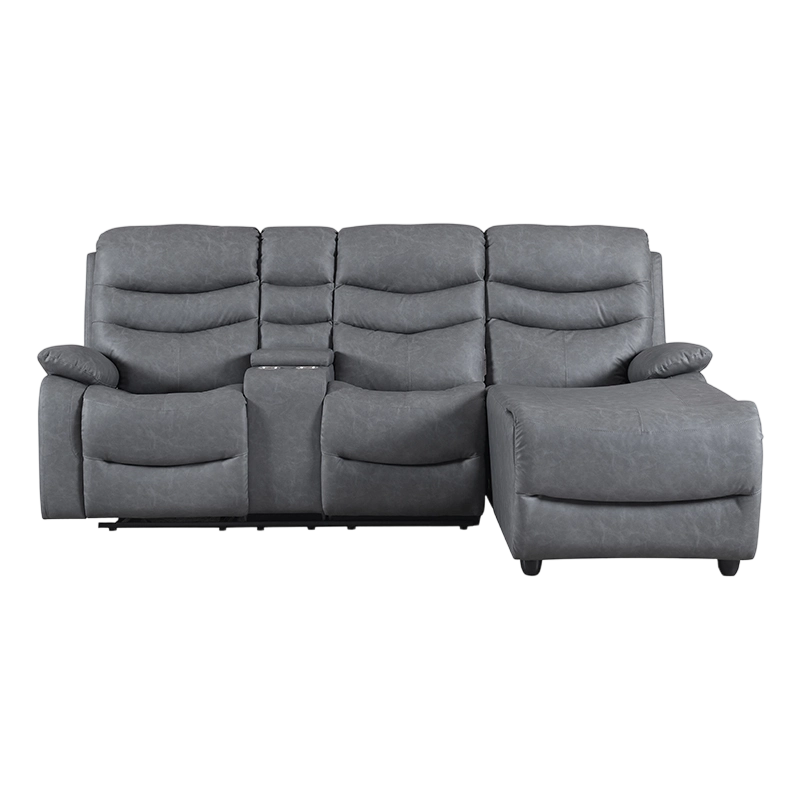
Parameters:
Experience unparalleled comfort with this reclining sectional sofa with chaise. It's a stylish and i...read more -
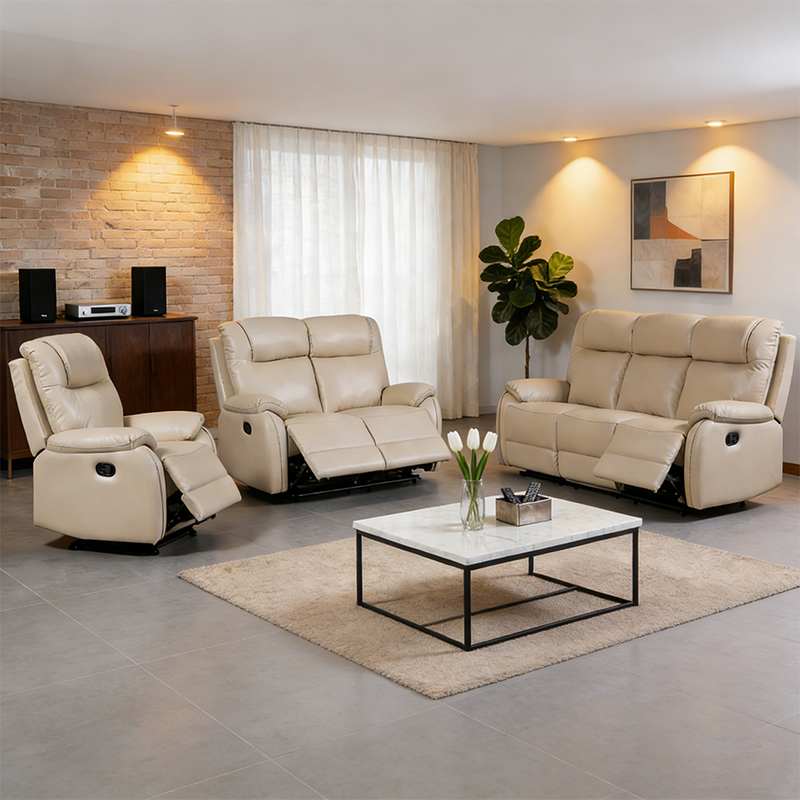
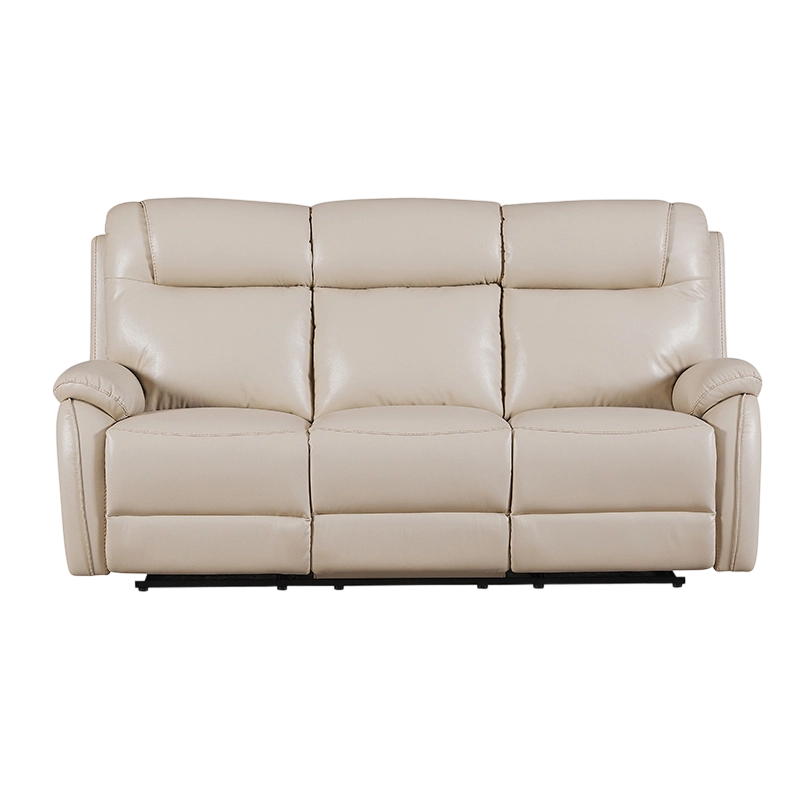
8012 3-Piece Leather Match Manual Reclining Sofa Set
Parameters:
Experience the ultimate indulgence with our manual recliner sofa set, offering exceptional value. Th...read more -
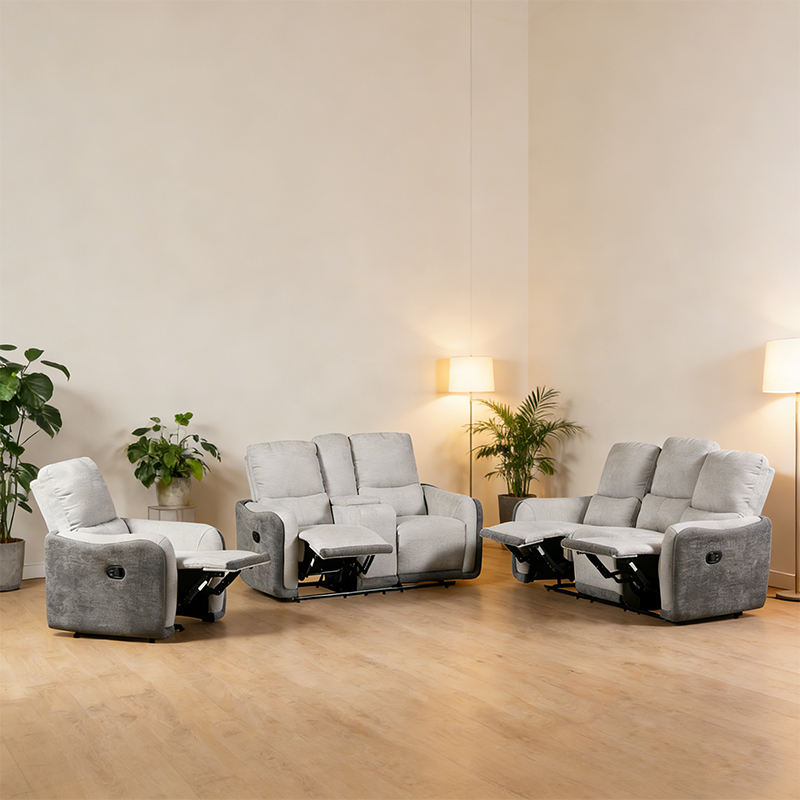
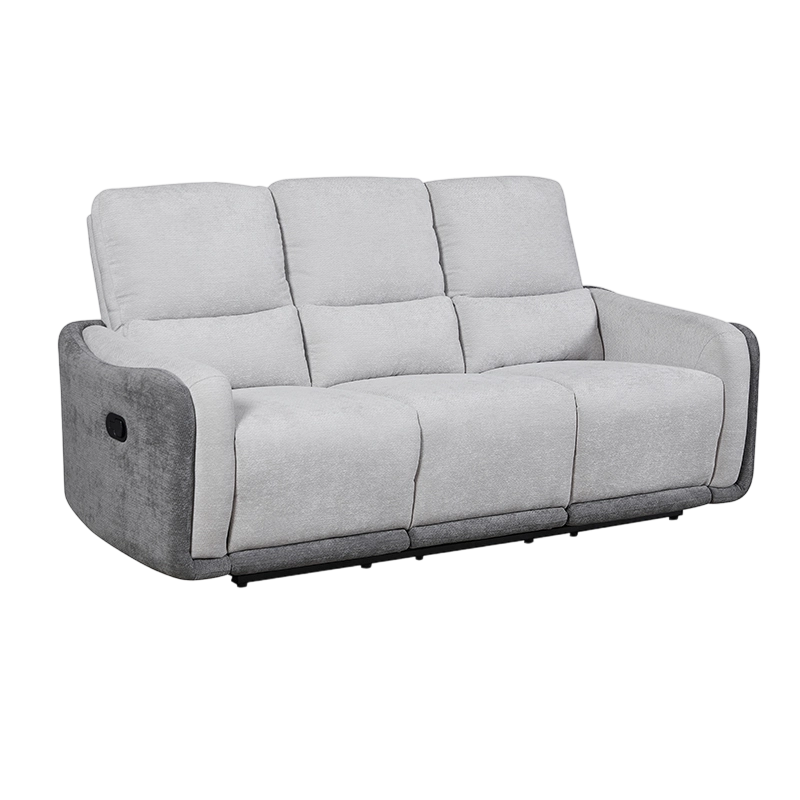
8063 3 Piece Manual Reclining Livingroom Sofa
Parameters:
Treat yourself to pure comfort with our manual recliner sofa set, offering unbeatable value. This mo...read more -
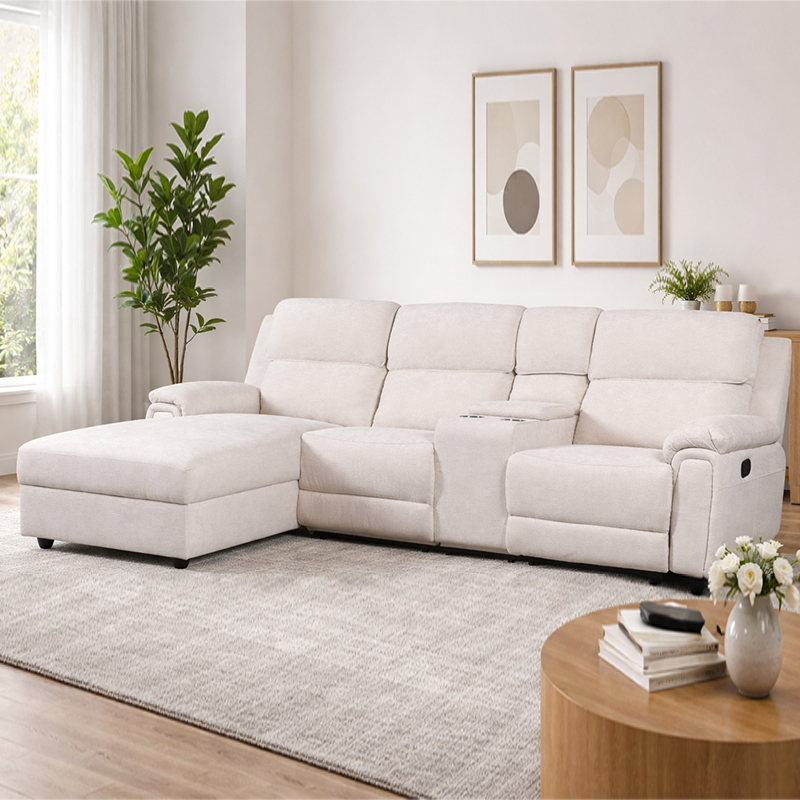
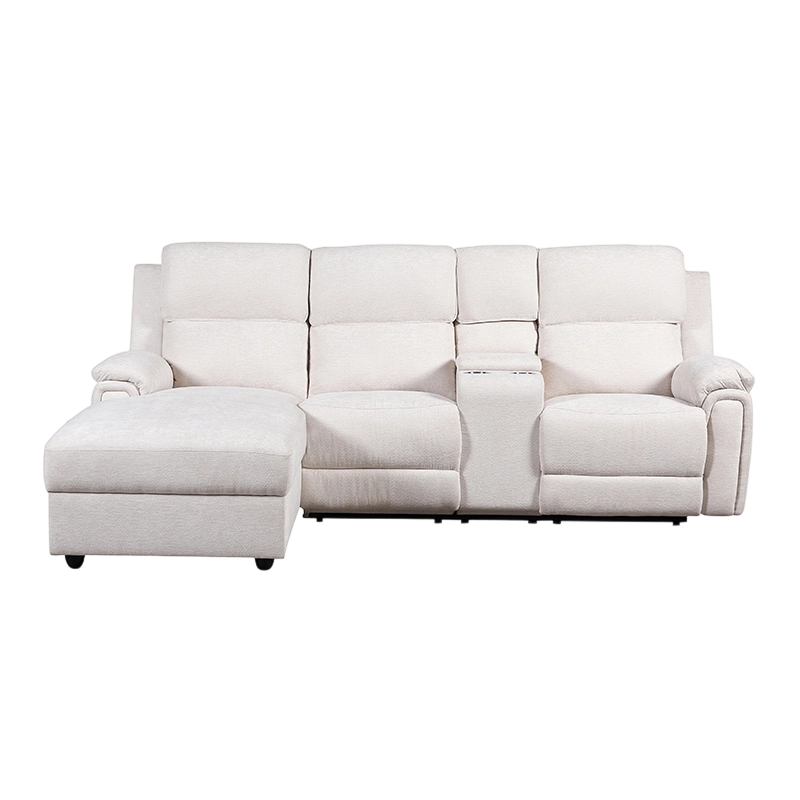
8066 102" Convertible Sectional Sofa Couch, Small L-Shaped Sofa
Parameters:
Perfect for cozy spaces, this compact chaise sofa combines comfort and versatility. Featuring a otto...read more -
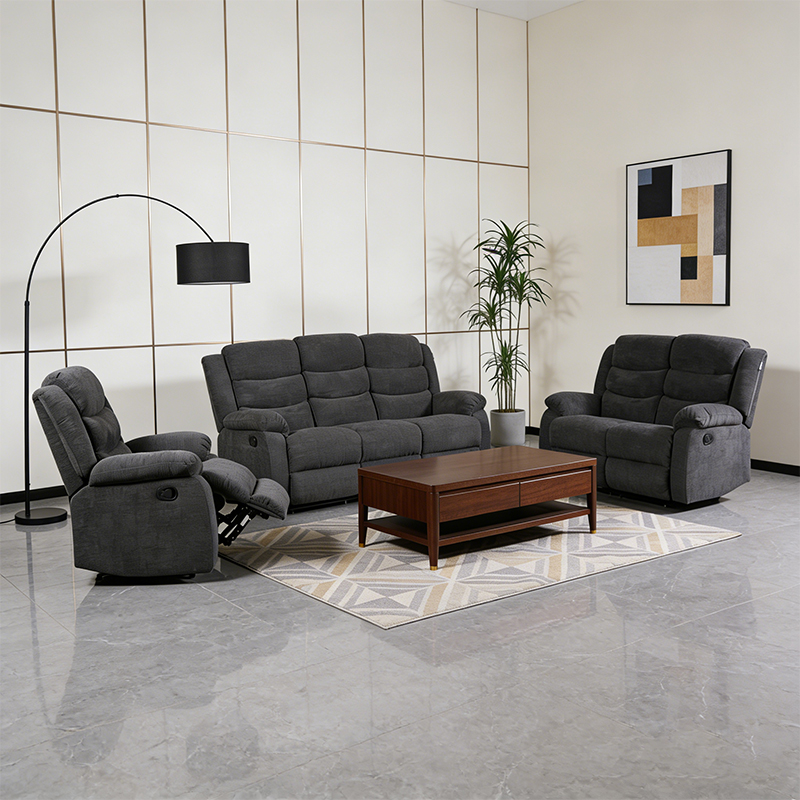
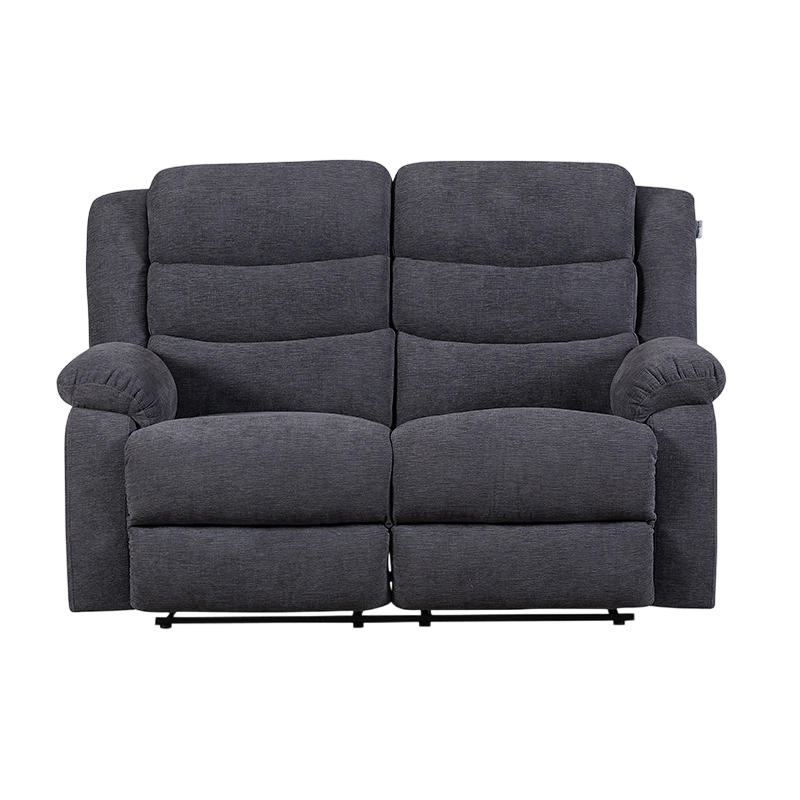
8067 3 Piece Fabric Reclining Living Room Set, Sofa, Loveseat and Recliner Chair
Parameters:
Experience supreme comfort and luxury with the XB 3 Piece Bonded Leather Reclining Living Room Set. ...read more -
8052-2 Leather Upholstered Manual Motion Loveseat Recliner Chair
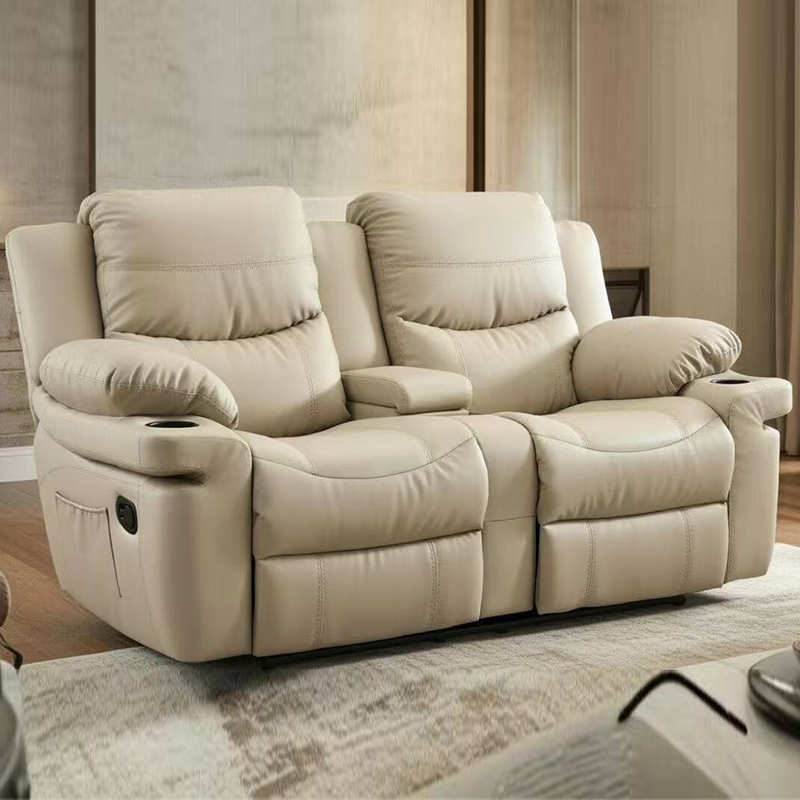
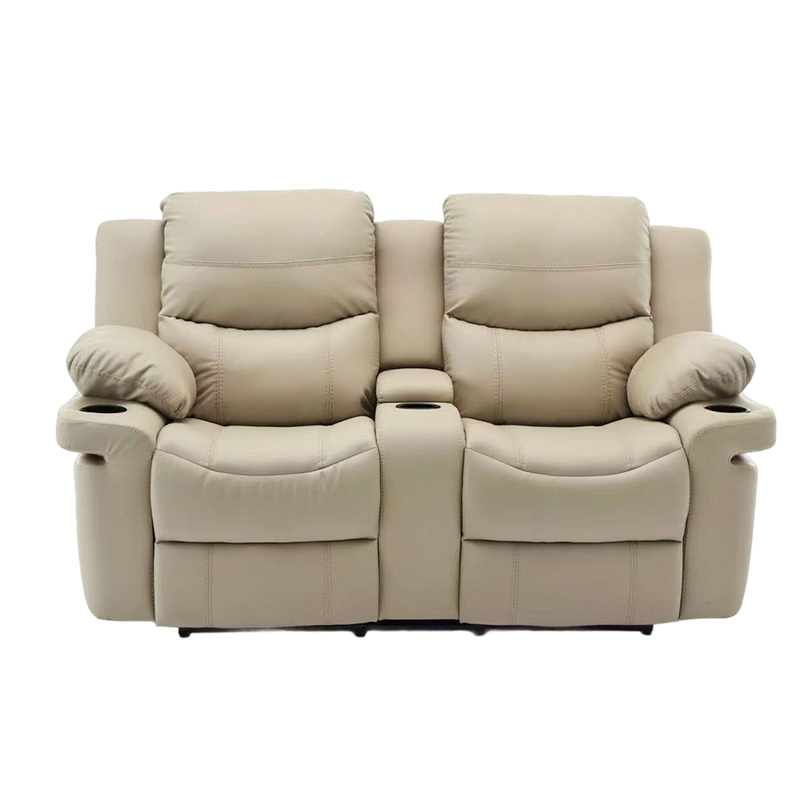
Parameters:
Looking for ultimate relaxation and entertainment without sacrificing quality and comfort? Our Recli...read more -
8052-3 85.4"Leather 3-Seater Reclining Sofa with Overstuffed Armrests
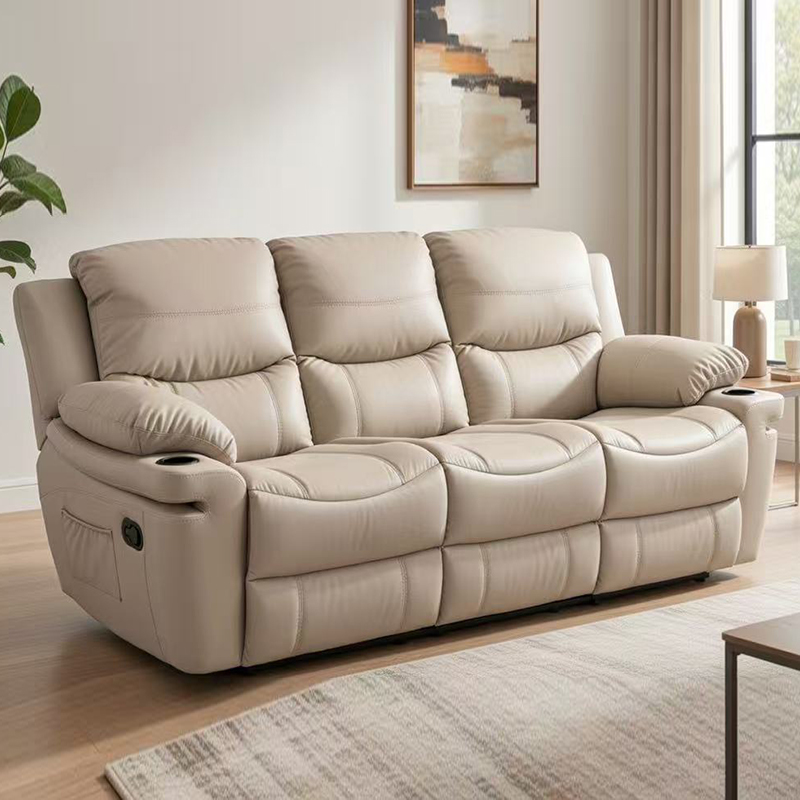
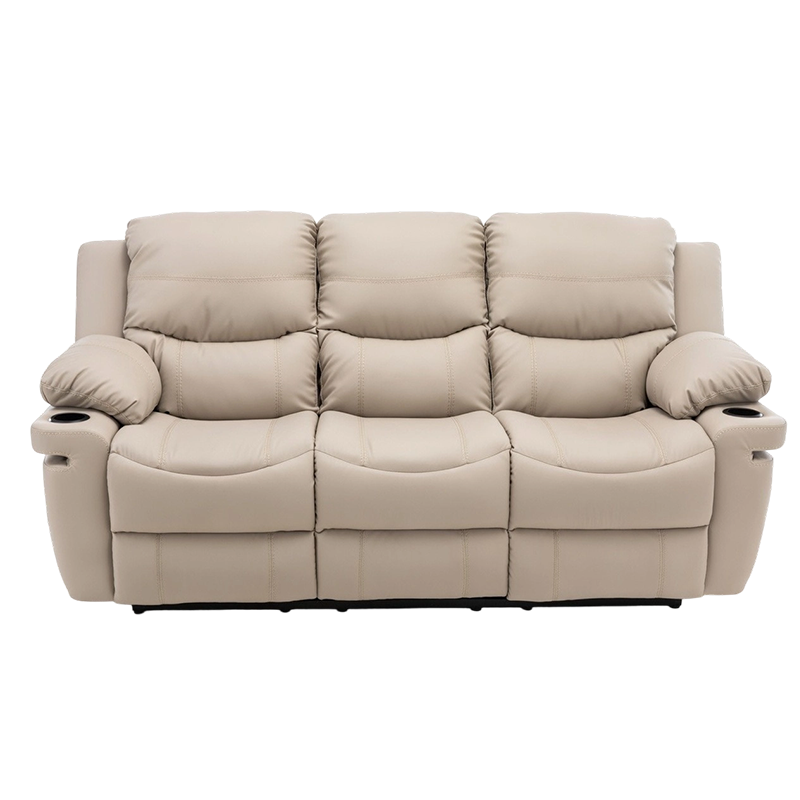
Parameters:
This recliner sofa features a clever dropdown center back and convenient built-in cup holders. Wrapp...read more
Corner sofa combines comfort and versatility.With a solid wood frame and foam-filled seat cushions, this sofa combines durability with comfort, while the plump stitching design adds a touch of elegance to your home decor.
Embrace versatility and style with our Corner Sofa, designed to elevate your living space with both functionality and sophistication.
About

Anji Xuanbo Household Co., Ltd.
Corner Sofa Industry knowledge
The Ultimate Guide to the Large Fabric/Leather Corner Recliner Sofa
Welcome to the definitive guide on selecting the perfect centerpiece for your living space: the Large Fabric/Leather Corner Recliner Sofa. As a hub of family life and entertainment, a sofa must transcend mere seating. It must be a sanctuary of comfort, a testament to style, and a marvel of functional engineering. In this comprehensive guide, we will dissect the anatomy of these sophisticated pieces, exploring the nuances of materials, mechanisms, and design. Whether you are outfitting a home theater or a sprawling family room, understanding these elements will ensure your investment delivers years of unparalleled relaxation.
Defining the Large Corner Recliner Sofa
A Large Fabric/Leather Corner Recliner Sofa is more than the sum of its parts. It is a synergistic blend of space-efficient design and personalized comfort. The "corner" configuration, typically an L-shape, is engineered to maximize seating capacity by utilizing areas that are often underused, making it an exceptionally smart choice for both spacious and compact great rooms. The "recliner" functionality, particularly in a large format, transforms the sofa from a static piece of furniture into a dynamic relaxation system, offering multiple seats with independent adjustability.
These sofas are meticulously engineered to cater to the modern lifestyle, supporting everything from upright conversation to zero-gravity nap positions. The choice between fabric and leather upholstery further defines the piece, influencing its aesthetic, tactile experience, and long-term durability. This guide will navigate you through these critical decisions, ensuring you select a sofa that perfectly aligns with your needs.
Operational Mechanisms: Manual vs. Power Recline
The heart of any recliner sofa lies in its operational mechanism. Your choice between manual and power recline will fundamentally shape your daily interaction with the sofa. To help you understand the core differences, we have broken down the specifics of each system.
- Manual Recliners: These sofas utilize a classic lever or pull-tab mechanism. Renowned for their mechanical simplicity and reliability, they require no electrical outlet, offering unparalleled flexibility in room placement. The operation involves a physical push or pull, engaging a locking mechanism that holds the desired position. They are typically more budget-friendly and have fewer components that could require service over time.
- Power Recliners: Powered by quiet, efficient electric motors, these sofas offer the pinnacle of convenience. At the touch of a button, usually located on a side panel or a handheld remote, the backrest and footrest glide smoothly into position. This is particularly beneficial for individuals with mobility concerns. Modern power recliners often integrate advanced features like USB charging ports, adjustable headrests, and even lumbar support, creating a truly customized seating experience.
The decision between these two types often comes down to personal preference for convenience versus simplicity. The table below provides a direct comparison to aid in your decision-making process.
| Feature | Manual Recliner | Power Recliner |
| Operation | Physical lever or push-back | Electric motor with button/remote control |
| Placement Flexibility | High (no power source needed) | Requires proximity to an electrical outlet |
| Comfort & Adjustability | Good (typically 2-3 fixed positions) | Superior (infinite positions, zero-gravity options) |
| Maintenance | Low (simple, durable mechanism) | Moderate (electronic components may require service) |
| Additional Features | Limited | USB ports, power sockets, lumbar, massage, lighting [citation:3] |
Upholstery Deep Dive: Fabric vs. Leather
The choice between fabric and leather is a defining moment in selecting your Large Fabric/Leather Corner Recliner Sofa. Each material carries its own unique set of characteristics that affect aesthetics, comfort, maintenance, and longevity. Understanding these properties is key to finding a match for your household's specific needs.
- Fabric Upholstery: Modern fabric sofas are available in an astounding array of weaves, textures, and colors, from soft chenilles to durable, stain-resistant polyesters and luxurious linens. High-performance fabrics are now engineered to withstand heavy use, resisting fading, pilling, and spills. They offer a warm, inviting tactile experience that doesn't retain temperature extremes—staying cool in summer and warm in winter. For households with children or pets, look for microfiber or tightly woven fabrics with high rub-count ratings for superior durability.
- Leather Upholstery: Leather exudes timeless elegance and ages beautifully, often developing a rich patina over years of use. It is inherently durable, resistant to spills, and incredibly easy to clean with a simple wipe, making it a practical choice for busy homes. While top-grain leather offers the highest quality and breathability, bonded or split-grain leathers provide a more accessible entry point. It is important to note that leather can be sensitive to direct sunlight and may feel cool to the touch initially, though it warms with body heat .
To further clarify the differences, consider the following comparison:
| Attribute | Fabric | Leather |
| Comfort & Feel | Warm, soft, non-slip, breathable | Smooth, cool initially, warms with use |
| Durability | High, varies by weave/grade | Very High, develops patina, resistant to tearing |
| Maintenance | Requires vacuuming; stain treatment may be needed | Easy wipe-clean; requires occasional conditioning |
| Aesthetic Variety | Vast range of colors, patterns, textures | Classic, sophisticated, rich colors and grains |
| Best For | Cozy, casual, family-friendly environments | Elegant, modern, or classic, easy-clean settings |
The Anatomy of Comfort and Durability
Beyond the surface upholstery, the true soul of a Large Fabric/Leather Corner Recliner Sofa lies in its internal construction. The frame, suspension, and cushioning materials are the silent heroes that determine the sofa's longevity, structural integrity, and the quality of support it provides for years to come. A wise investment focuses as much on what's inside as on what's visible .
Frame Construction: The Foundation of Longevity
The frame is the skeleton of your sofa, and its quality dictates the piece's ability to withstand the stresses of daily reclining and sitting. A robust frame prevents sagging, squeaking, and mechanical failure over time.
- Hardwood Frames: Frames constructed from kiln-dried hardwoods like oak, beech, or maple are the gold standard. The kiln-drying process removes moisture, preventing the wood from warping or cracking. These frames offer superior strength and are designed to handle the dynamic forces of reclining mechanisms for decades .
- Engineered Wood & Composites: High-quality plywood and composite boards can also provide excellent structural support, especially when combined with metal reinforcements. It is crucial to avoid frames made of particleboard or low-density MDF, as they lack the strength to support the moving parts and weight shifts inherent in a recliner, leading to premature breakdown [citation:3]. Look for frames that are corner-blocked, dowelled, and glued for maximum stability.
Seating Systems and Cushioning
The comfort you feel every time you sit is a direct result of the suspension and cushioning systems working in harmony. High-quality materials here ensure consistent support and prevent the cushions from losing their shape.
- Suspension: High-end sofas often use sinuous (S-shaped) springs or durable elastic webbing. The best systems feature gauge wire springs or Nosag springs, which are resistant to sagging and provide a supportive, yet comfortable, "float" .
- Cushion Fillings: The density of foam is a key indicator of quality. High-density polyurethane foam (typically 30kg/m³ and above) will retain its shape and support far longer than low-density foam [citation:4]. Many premium sofas use a multi-layer approach, combining a firm support core with softer foam and a fiber wrap for a plush, "sink-in" feel that is also resilient. Some models incorporate pocket springs within the cushions, offering breathability and point-specific support that mimics a high-end mattress .
- Ergonomic Features: Modern designs go beyond simple reclining. Features like adjustable headrests, built-in lumbar support, and the ability to achieve a "zero-gravity" position—where your weight is evenly distributed to reduce spinal pressure—are becoming increasingly sought-after for therapeutic comfort and personalized relaxation .
Smart Integration and Modern Living
The contemporary Large Fabric/Leather Corner Recliner Sofa has evolved into a hub of connectivity and convenience, seamlessly integrating technology to enhance your relaxation experience. These features are no longer novelties but expected elements that cater to our device-driven lifestyles.
- Power and Charging: Integrated USB ports (both A and C) and even standard power sockets are now common, allowing you to charge phones, tablets, and laptops directly from your seat. These are often conveniently located in the side panels or storage compartments, keeping cables tidy and devices within arm's reach [citation:3].
- Ambient and Convenience Features: Look for models that include illuminated cup holders, which add a touch of theater-room ambiance. Some sofas feature discreet LED lighting along the base, perfect for creating a soft glow during movie nights. Built-in storage consoles within the center armrest or chaise sections provide a hidden spot for remotes, magazines, and blankets, helping to keep your living space clutter-free [citation:3].
- Modularity and Configuration: The "Large" in your sofa also implies adaptability. Many modern corner recliners are modular, meaning the separate pieces can be reconfigured. This allows you to change the orientation of the chaise from left to right if you move homes or simply want to refresh your room's layout. This versatility ensures your investment can adapt to your evolving needs .
FAQ
How much space do I need behind a large corner recliner sofa?
This is a critical question for placement. The space required depends on the type of recliner mechanism. Traditional recliners need significant clearance—often 15-30 cm (6-12 inches) or more—from the wall to allow the backrest to recline fully without hitting it. However, many modern sofas feature "wall-hugger" or "zero-clearance" technology. These are designed to slide forward as they recline, requiring as little as 2-5 cm (1-2 inches) of space from the wall, making them ideal for smaller rooms. Always check the product specifications for "wall clearance" requirements.
What is the difference between a bonded leather and a top-grain leather sofa?
The distinction is significant for quality and durability. Top-grain leather is made from the top layer of the animal hide, which is sanded and finished to create a thin, durable surface. It retains the natural grain and breathability, developing a beautiful patina over time. It is the highest quality and most durable leather for furniture. Bonded leather, on the other hand, is not a genuine leather in the same sense. It is made from leather scraps, fibers, and dust that are mixed with polyurethane or latex and then bonded onto a paper or fabric backing. While more affordable, it does not breathe like real leather and is prone to peeling and flaking over time .
Are power recliner sofas safe for homes with small children?
Yes, with proper consideration. Modern power recliners are designed with safety in mind, featuring smooth, quiet motors and pinch-resistant seams where the moving parts meet. The controls are typically placed on the side of the armrest, out of easy reach of toddlers. However, as with any piece of furniture with moving parts, adult supervision is recommended. It's also wise to choose a model with a manual override feature, allowing you to close the recliner even without power. For families with children, durable, stain-resistant fabrics or easy-clean leather are also excellent choices.
Can I place a large corner recliner sofa in a small living room?
Absolutely, but careful planning is essential. While "large" might seem counterintuitive for a small space, an L-shaped corner sofa is actually a highly efficient use of space. It fits snugly into a corner, maximizing seating without the need for multiple chairs and sofas. To ensure it works, you must:
- Measure meticulously: Use painter's tape to outline the sofa's dimensions on your floor.
- Choose a "wall-hugger" recliner: This eliminates the need for extra space behind the sofa.
- Select light colors: Upholstery in light greys, beiges, or creams can make the room feel larger and airier.
- Consider a modular design: This allows you to potentially change the configuration in the future if needed .
How do I clean and maintain my fabric or leather recliner sofa?
Maintenance is key to longevity. For fabric, regular vacuuming with an upholstery attachment prevents dirt from embedding in the fibers. Address spills immediately by blotting (not rubbing) with a clean, damp cloth. Many fabric sofas come with a care code; follow this strictly. Professional cleaning is recommended annually. For leather, regularly dust with a soft, dry cloth. Clean spills with a slightly damp cloth. Condition the leather every 6-12 months with a dedicated leather conditioner to prevent it from drying out and cracking. For both types, keep the sofa out of direct sunlight to prevent fading [citation:3].
LET'S TALK

Bai Shuiwan Industrial Park, Tian Huangping Town, Anji County, Huzhou City, Zhejiang Province, China
More About Us 
-
+86 18257273741
-
[email protected]
CONTACT US
Copyright © Anji Xuanbo Household Co., Ltd. All Rights Reserved.
Wholesale
Fabric Corner Recliner Sofa Manufacturers


