
 English
 Español
Anji Xuanbo Household Co., Ltd. was established in 2021 and is located in Anji County, Huzhou City, Zhejiang Province, which is renowned as the "Capital of Chair Industry" worldwide. It is only 3 hours' drive from Shanghai Port and Ningbo Port. The transportation is very convenient. We are China Manual Recliner Corner Sofa Manufacturers and Wholesale
Manual Recliner Corner Sofa Factory. It is an actual technology enterprise integrating industrial design, product research and development, large-scale production, independent marketing, and technical services.
The company mainly deals in functional sofas, fixed sofas, corner sofas, lounge chairs, etc. The factory area is approximately 8,000 square meters, and it has over 100 employees. Relying on a strong R&D design capability and management team, comprehensive and excellent manufacturing capabilities, and precise product positioning, the company actively expands the market and its products are exported to North America, Europe, the Middle East, and other domestic and foreign regions.
Focus on the manufacturing and export of functional sofas
-
 +86 18257273741
-
 [email protected]

Wholesale Manual Recliner Corner Sofa
Select Category
Manual Recliner Corner Sofa Manufacturers
-
8002C Chenille chaise sectional sofa with ottoman
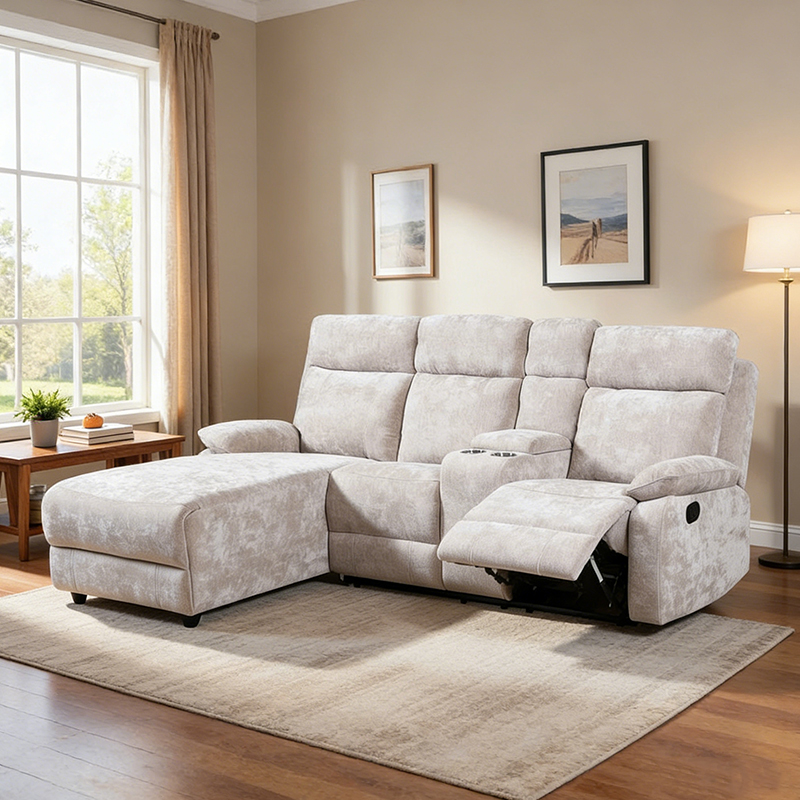
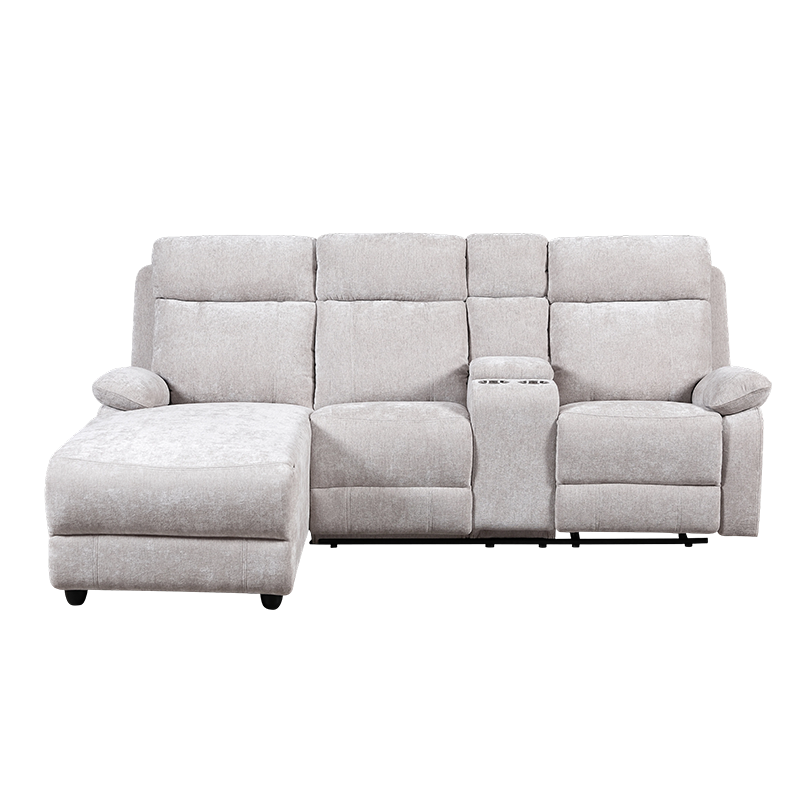
Parameters:
Elevate your living space with this modern L-shaped sectional sofa, thoughtfully designed for comfor...read more -
8006B 5 Piece manual reclining sectional corner sofa with cup holders in brown
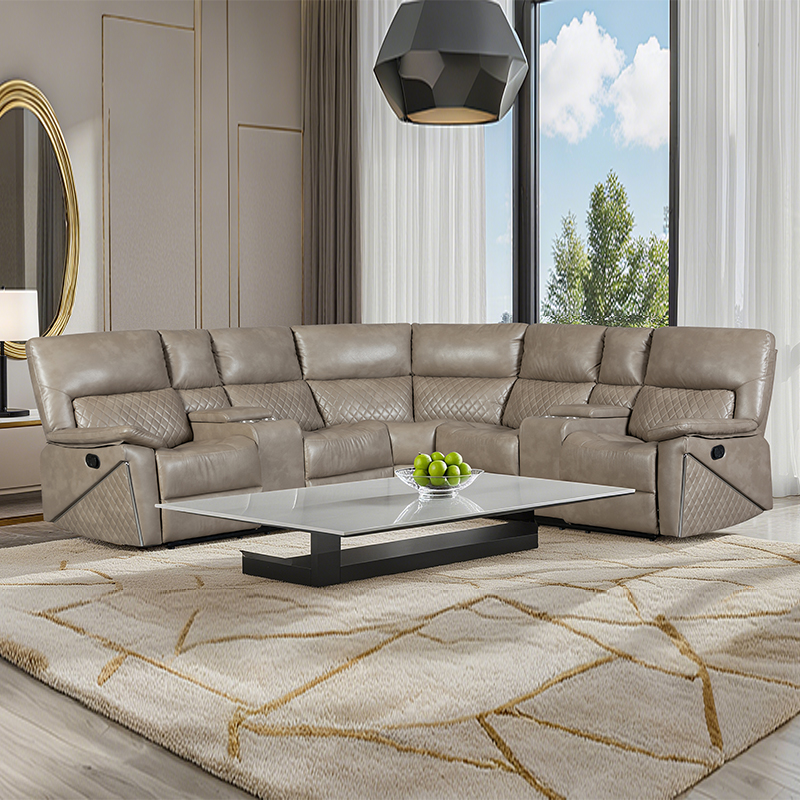
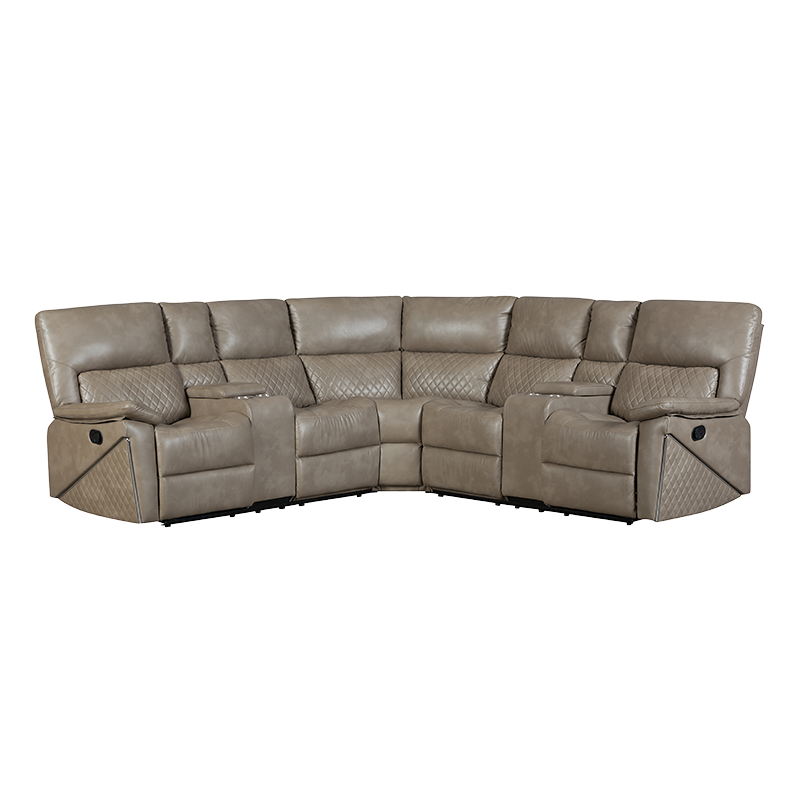
Parameters:
This contemporary living room sectional is a fabulous trendsetter in every regard. It is decked with...read more -
8346C L-shape comfy leather three-seat modular sectional sofa with ottoman
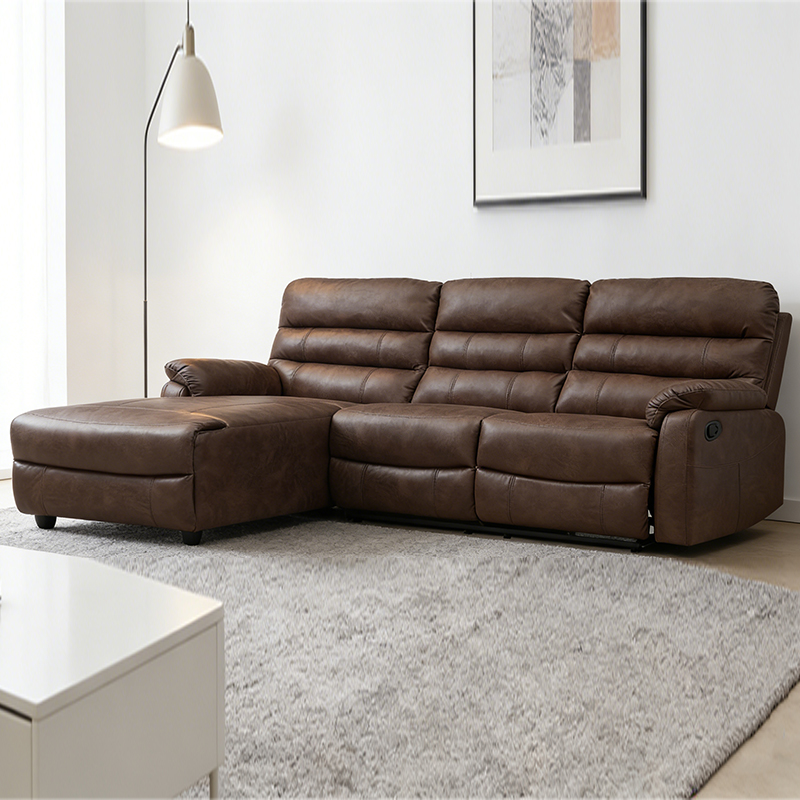
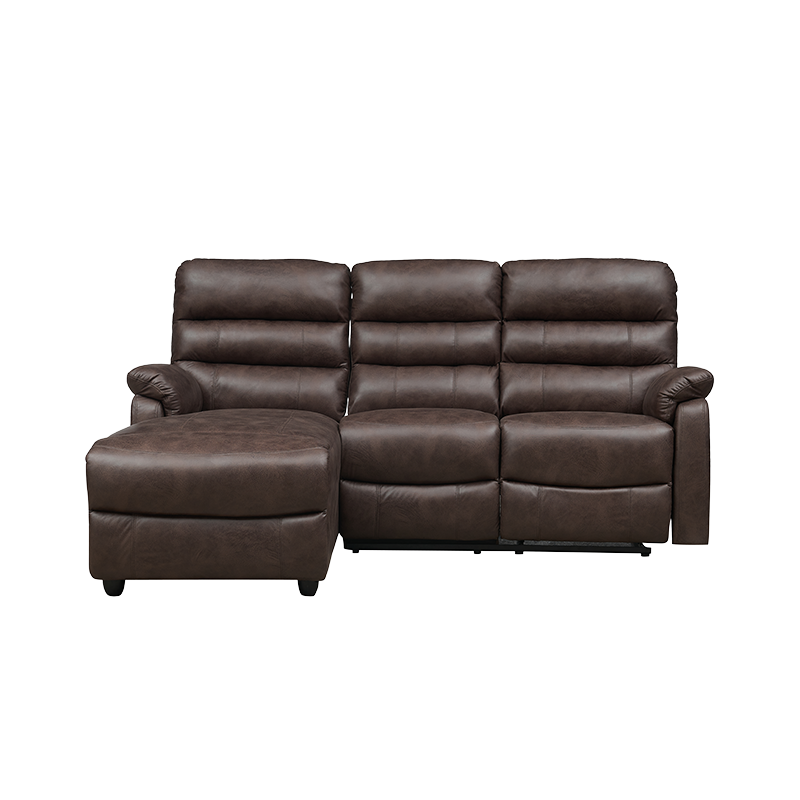
Parameters:
This sectional sofa is uniquely designed and suitable for a corner of the living room or leisure spa...read more -
8002 2-Piece Fabric Match Manual Reclining Sofa Set
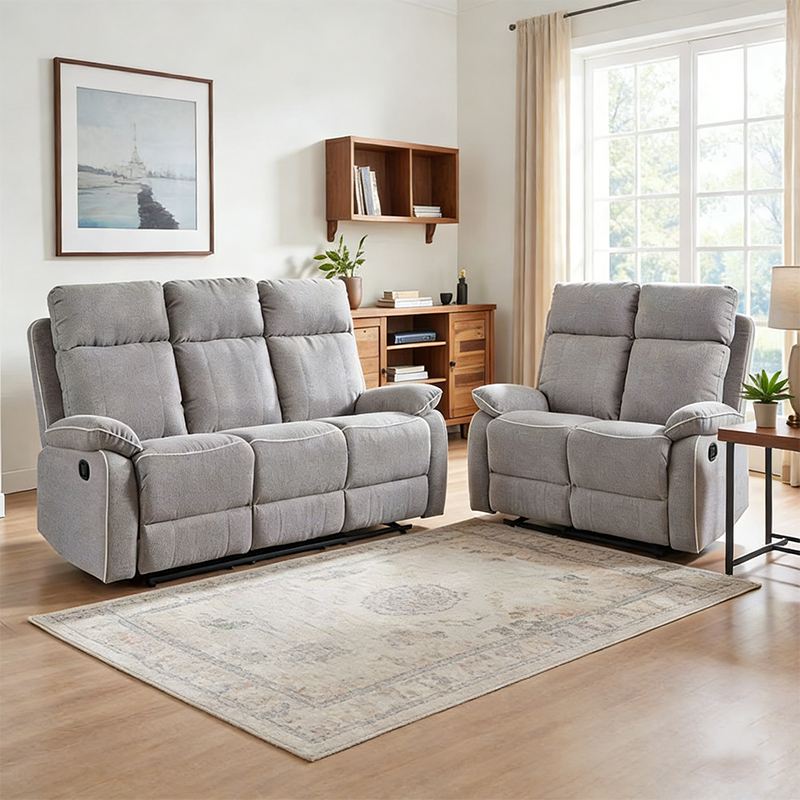
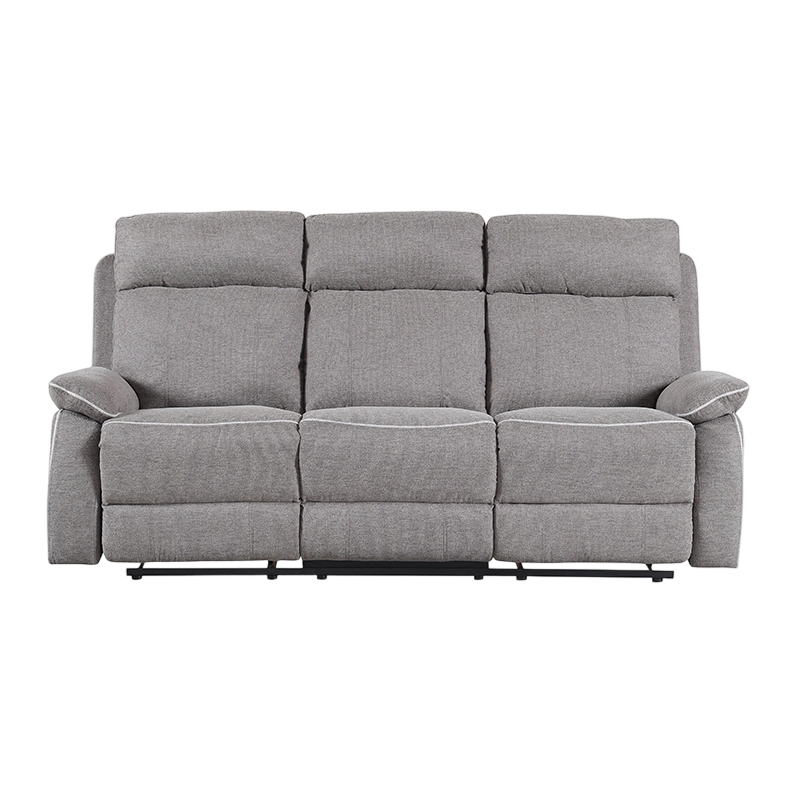
Parameters:
Designed with stylistic versatility and comfort in mind, the Papyrus Collection's addition to your h...read more -
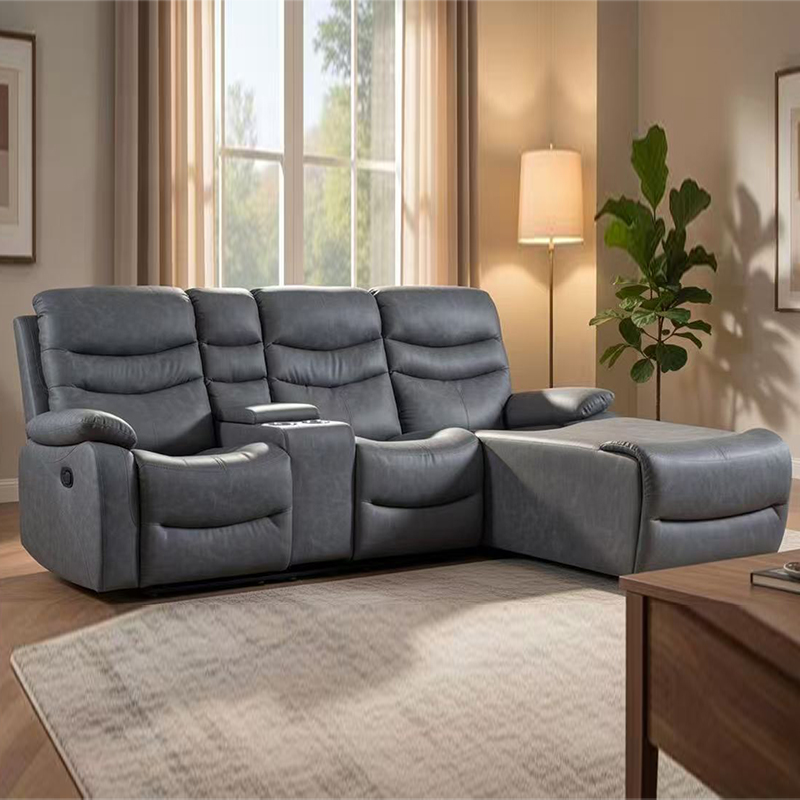
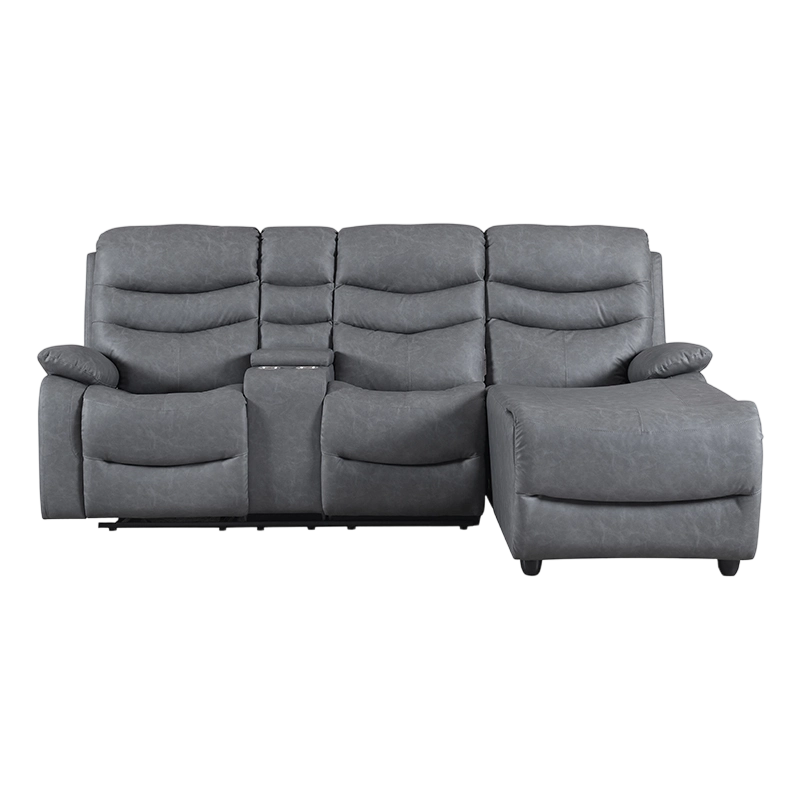
8007C Blue Upholstered Manual Recline Sectional with Chaise and Storage
Parameters:
Experience unparalleled comfort with this reclining sectional sofa with chaise. It's a stylish and i...read more -
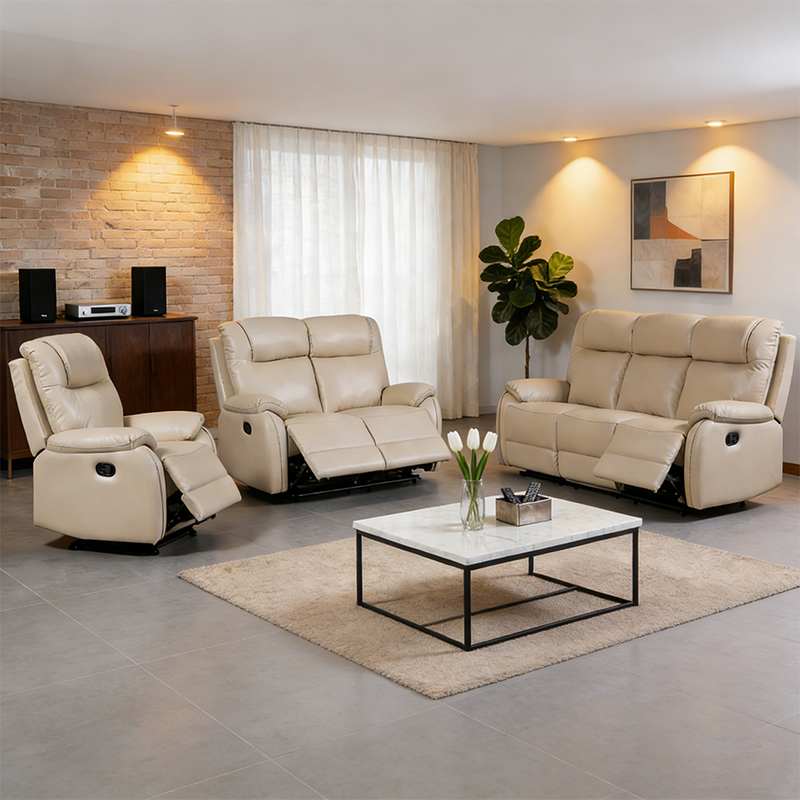
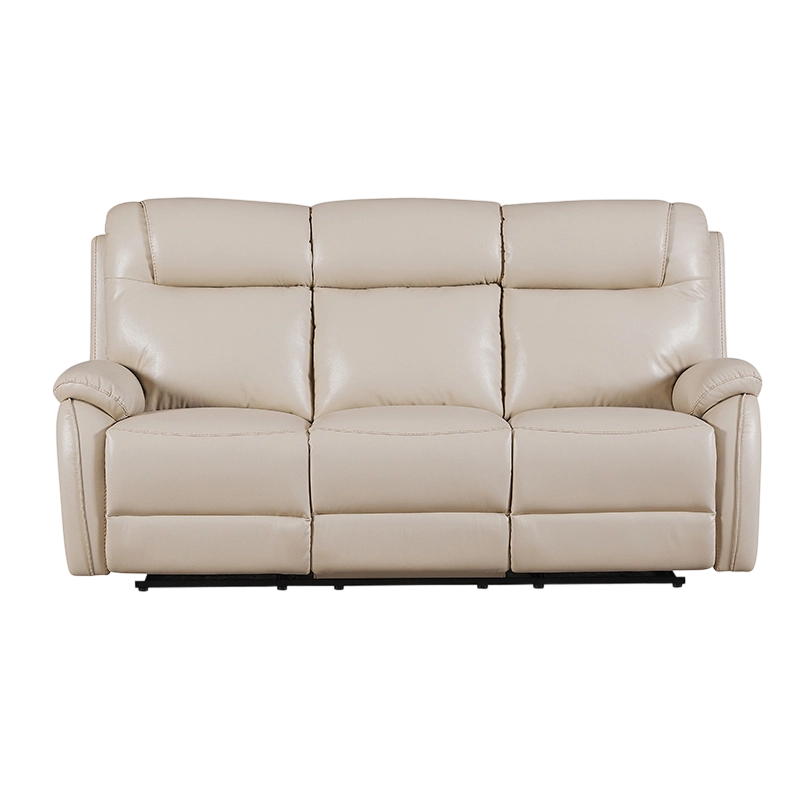
8012 3-Piece Leather Match Manual Reclining Sofa Set
Parameters:
Experience the ultimate indulgence with our manual recliner sofa set, offering exceptional value. Th...read more -
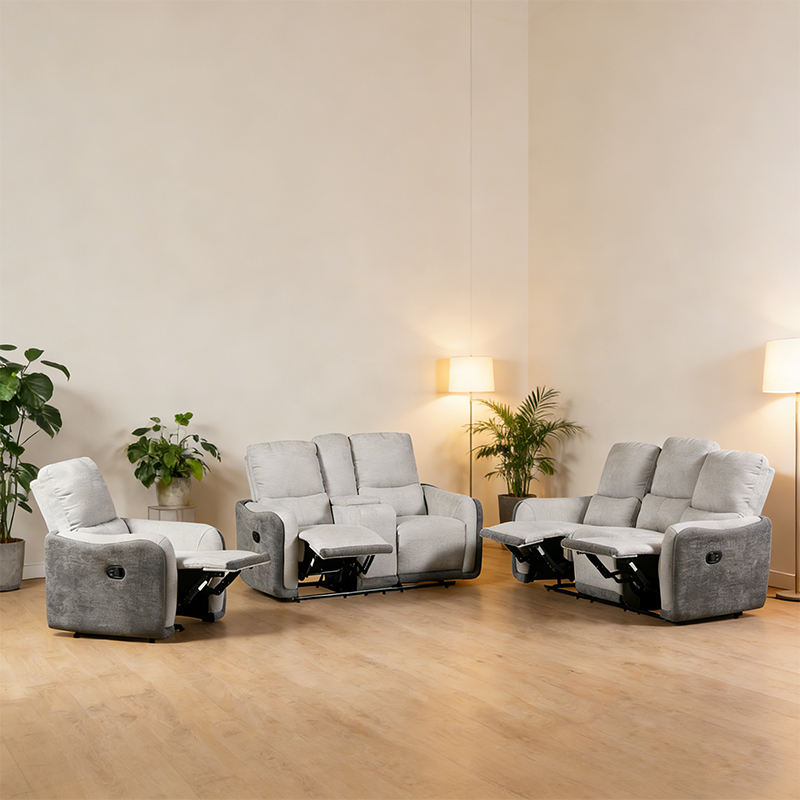
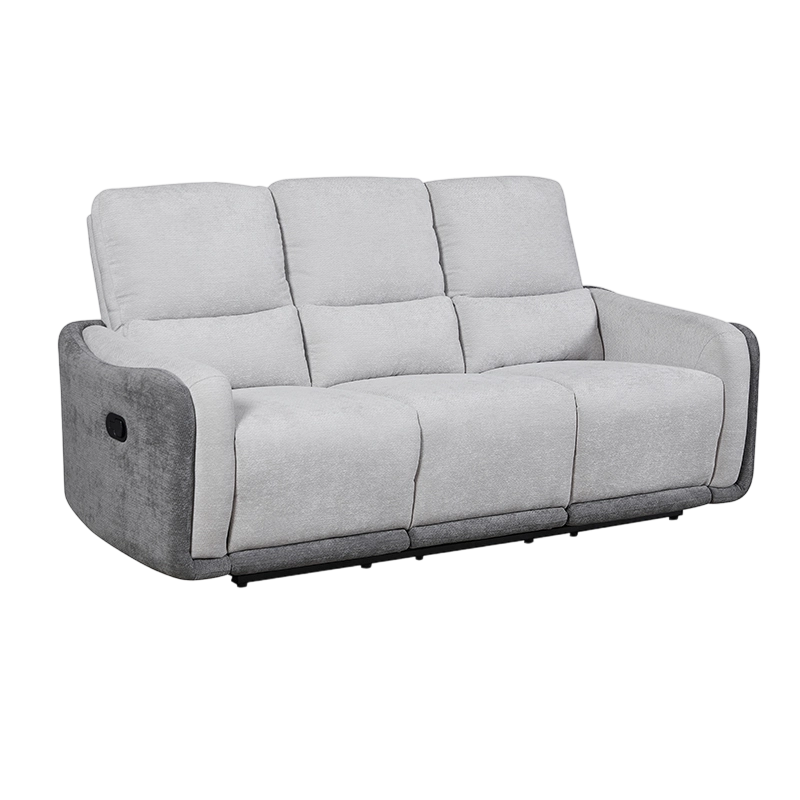
8063 3 Piece Manual Reclining Livingroom Sofa
Parameters:
Treat yourself to pure comfort with our manual recliner sofa set, offering unbeatable value. This mo...read more -
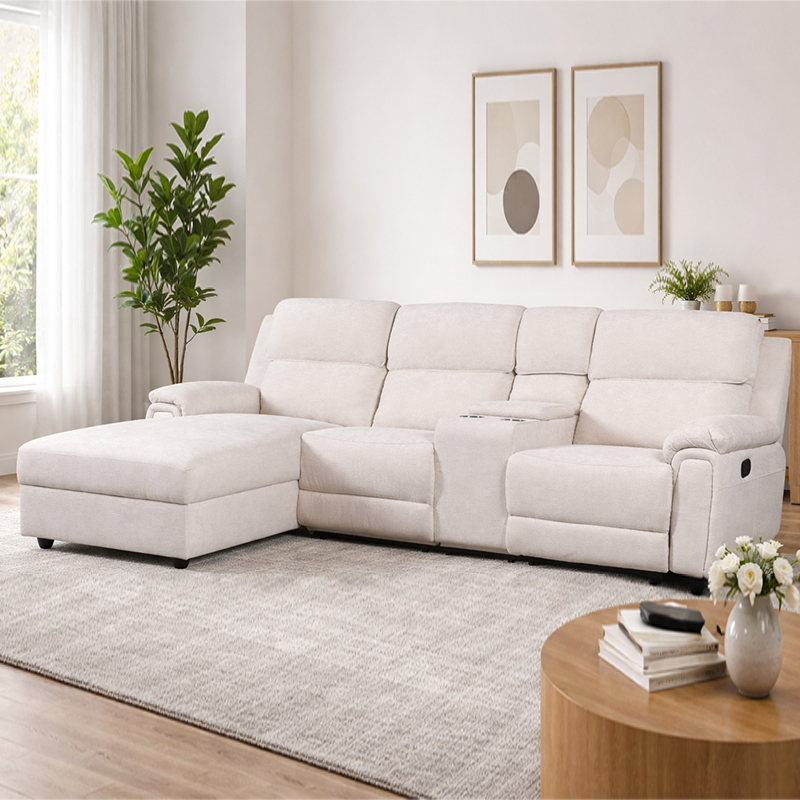
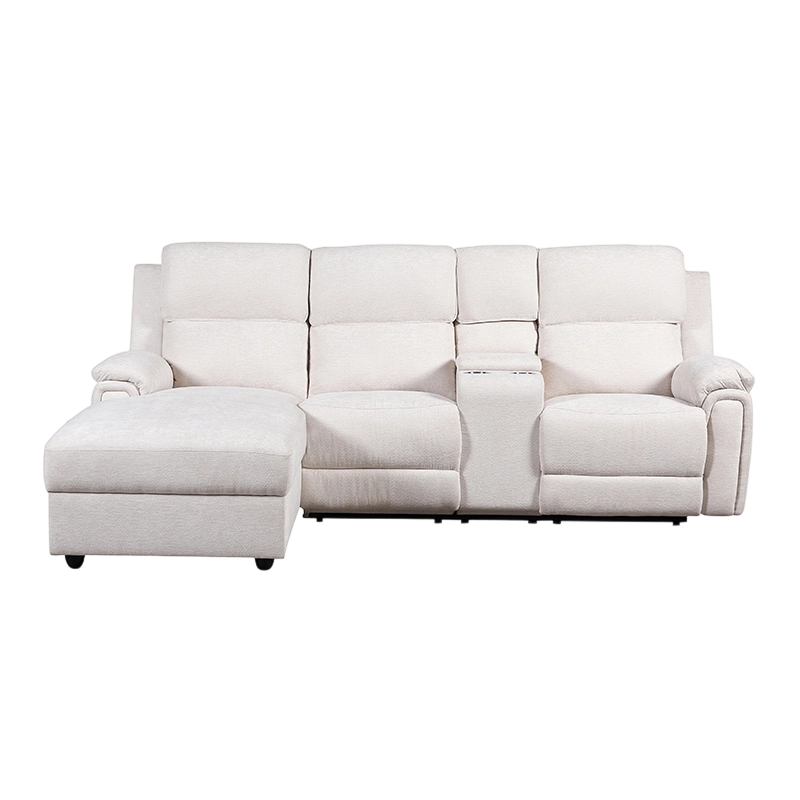
8066 102" Convertible Sectional Sofa Couch, Small L-Shaped Sofa
Parameters:
Perfect for cozy spaces, this compact chaise sofa combines comfort and versatility. Featuring a otto...read more -
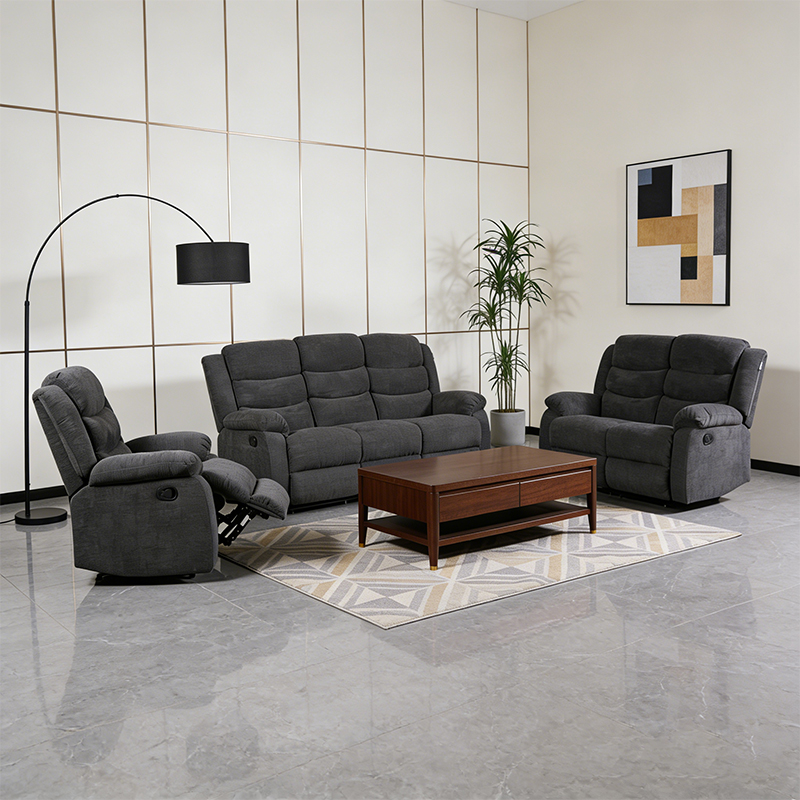
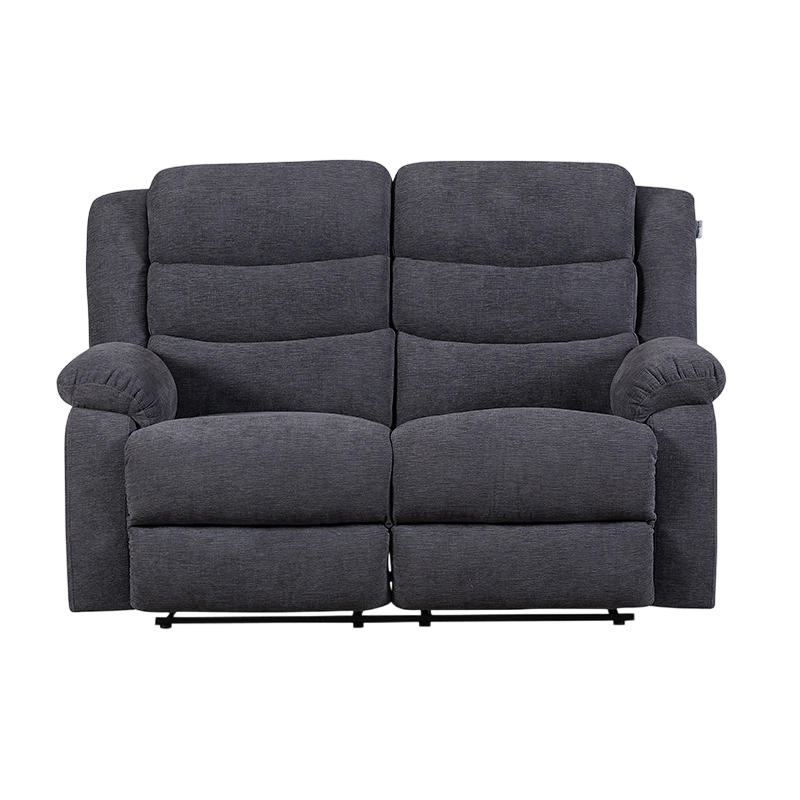
8067 3 Piece Fabric Reclining Living Room Set, Sofa, Loveseat and Recliner Chair
Parameters:
Experience supreme comfort and luxury with the XB 3 Piece Bonded Leather Reclining Living Room Set. ...read more -
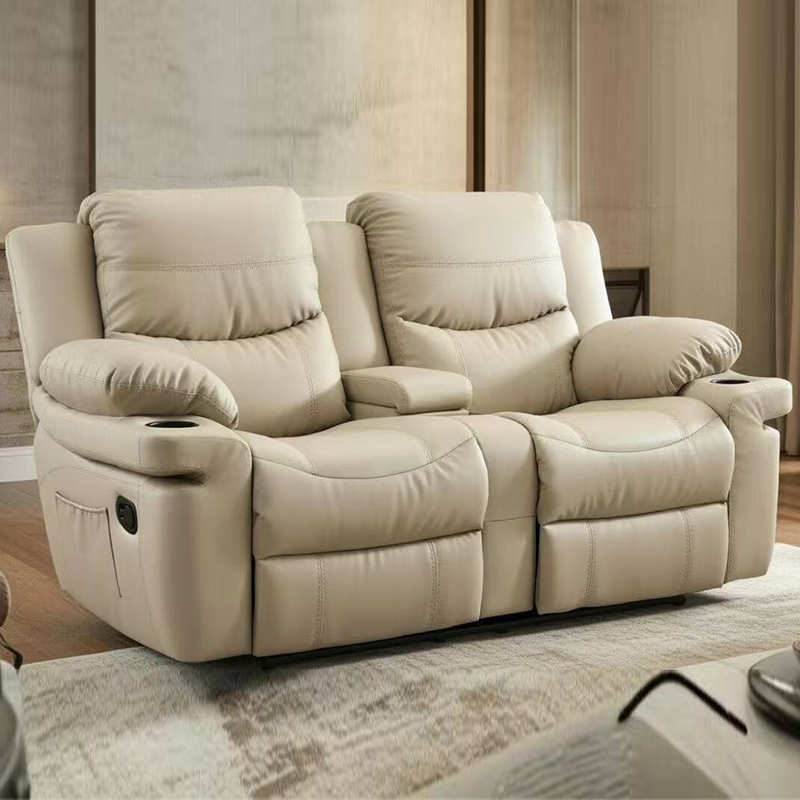
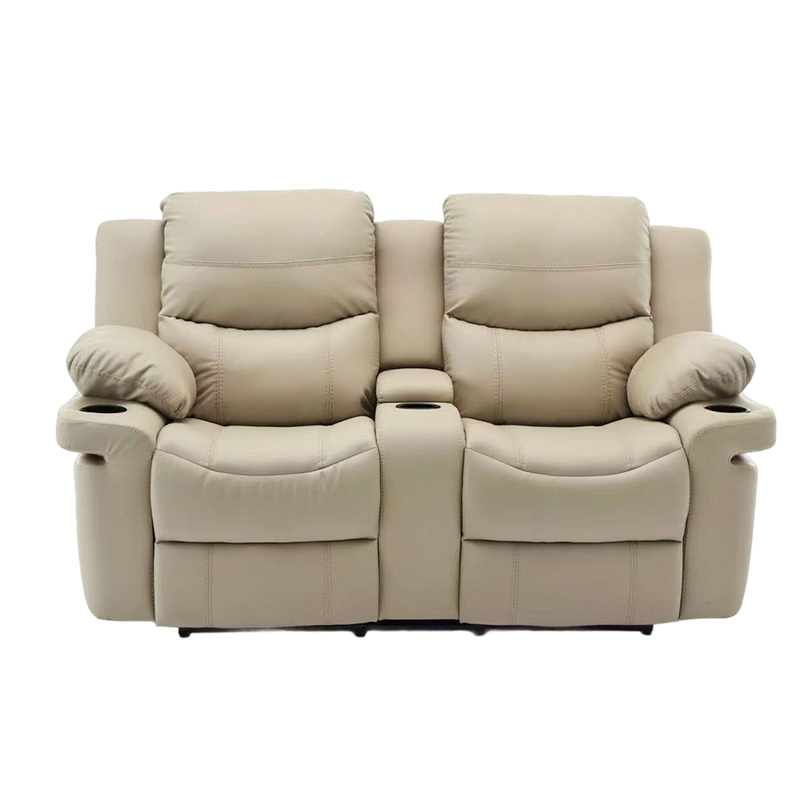
8052-2 Leather Upholstered Manual Motion Loveseat Recliner Chair
Parameters:
Looking for ultimate relaxation and entertainment without sacrificing quality and comfort? Our Recli...read more -
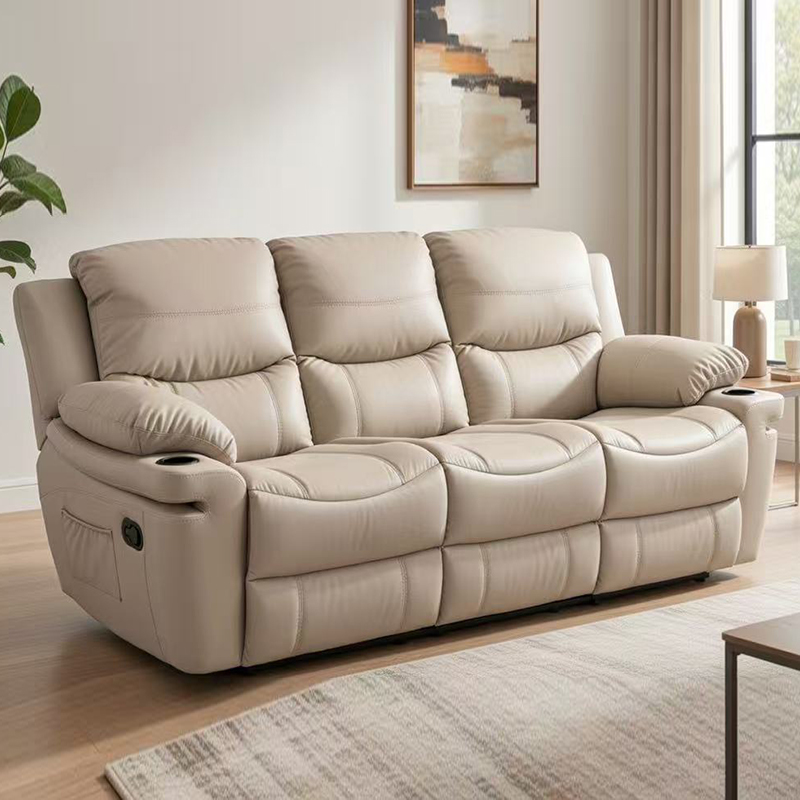
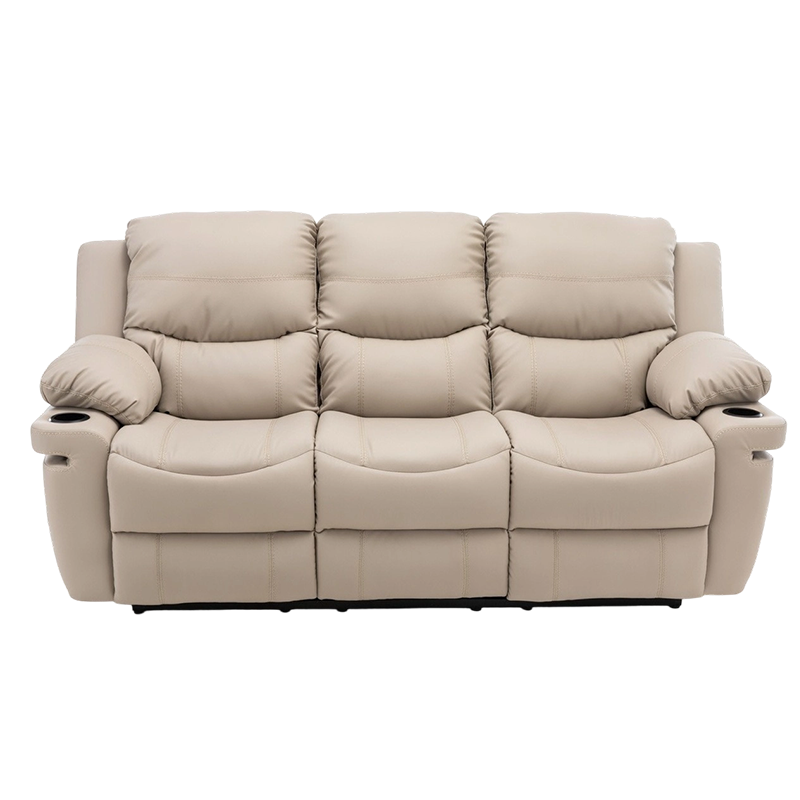
8052-3 85.4"Leather 3-Seater Reclining Sofa with Overstuffed Armrests
Parameters:
This recliner sofa features a clever dropdown center back and convenient built-in cup holders. Wrapp...read more
About

Anji Xuanbo Household Co., Ltd.
Manual Corner Sofa Industry knowledge
Unlocking Comfort: The Ultimate Guide to Choosing a Manual Recliner Corner Sofa
In the evolving landscape of interior design, the living room has transformed from a formal space into a sanctuary for relaxation and social connection. Among the myriad of seating options available today, the Manual Recliner Corner Sofa stands out as a paragon of ergonomic design and space efficiency. Combining the expansive seating of a sectional with the personalised comfort of a recliner, this furniture piece has become a staple for modern homes seeking both style and functionality.
Why a Manual Recliner Corner Sofa is a Smart Investment
Choosing the right sofa involves balancing aesthetics, durability, and comfort. A Manual Recliner Corner Sofa offers a unique value proposition by maximising corner spaces—often an underutilised area in living rooms—while providing adaptable seating positions. Whether you are hosting a movie night or simply unwinding after a long day, the versatility of this sofa type ensures it meets diverse lifestyle needs without the complexity of electronic components.
- Space Optimisation: The L-shaped or U-shaped design fits snugly into corners, opening up the rest of the room for movement and other furniture.
- Reliability: Without the need for motors or wiring, manual recliners are renowned for their longevity and lower maintenance requirements.
- Cost-Effectiveness: Generally, manual mechanisms are more affordable to manufacture and repair than their electric counterparts, offering premium comfort at a better price point.
Mechanism Comparison: Manual vs. Electric Recliners
Understanding the technical differences is crucial for making an informed purchase. While electric recliners offer the luxury of push-button adjustment, the Manual Recliner Corner Sofa relies on a robust lever or push-back mechanism. This mechanical simplicity is its greatest strength, ensuring that the sofa remains functional for years, even with heavy daily use. Below is a comparison to help you visualise the benefits.
| Feature | Manual Recliner | Electric Recliner |
| Maintenance | Low (Mechanical parts only) | Moderate (Motors and wiring inspection) |
| Installation | Simple, no power outlet needed | Requires proximity to a power source |
| Durability | High (Less prone to technical failure) | Medium (Motor wear possible) |
| Speed | Instant adjustment | Gradual, motorised movement |
Key Features to Look for in a High-Quality Manual Recliner Corner Sofa
Not all reclining sofas are created equal. As a manufacturer based in the heart of the chair industry, we emphasise that the quality of a Manual Recliner Corner Sofa is determined by its internal skeleton and external finish. When browsing options, pay close attention to the frame construction and the reclining mechanism's smoothness.
- Frame Material: Look for kiln-dried hardwood or reinforced steel frames that prevent warping and squeaking over time.
- Mechanism Quality: The reclining mechanism should feature heavy-duty steel gauges with anti-rust coatings to ensure smooth operation.
- Cushioning Density: High-density foam (often 30kg/m³ or higher) is essential to prevent sagging and maintain the sofa's shape.
Material Selection for Longevity
The upholstery you choose dictates the maintenance routine and the aesthetic appeal of your Manual Recliner Corner Sofa. Performance fabrics and top-grain leather are popular choices for their durability and tactile comfort.
- Top-Grain Leather: Offers a luxurious feel and high durability, developing a rich patina over time. Ideal for a sophisticated look.
- Performance Fabric: Stain-resistant and easy to clean, making it perfect for households with children or pets.
- Velvet: Provides a soft texture and vibrant colour options, adding a touch of elegance to the corner space.
Design Configurations for Modern Living Spaces
One of the advantages of sourcing from a comprehensive manufacturer is the ability to customise the configuration. A Manual Recliner Corner Sofa is not a one-size-fits-all product; it must adapt to the specific dimensions and layout of the buyer's home. Whether it is a left-hand facing (LHF) or right-hand facing (RHF) orientation, getting the configuration right is vital for flow and comfort.
- L-Shaped Sectional: The most common layout, perfect for smaller to medium-sized living rooms, offering a clear division between lounge and dining areas.
- U-Shaped Sectional: Best suited for larger spaces, creating an immersive seating environment that encourages conversation.
- Modular Designs: Allows users to rearrange sections, transforming a corner sofa into separate seating units as needed.
FAQ
How does a Manual Recliner Corner Sofa work without electricity?
A Manual Recliner Corner Sofa operates using a lever or a push-back system connected to a spring-loaded mechanism inside the seat. When the lever is pulled or pressure is applied backwards, the mechanism releases the footrest and allows the backrest to recline. Because it relies on physics and mechanical engineering rather than motors, it is incredibly reliable and does not require proximity to electrical outlets.
Is a Manual Recliner Corner Sofa difficult to assemble?
Assembly is typically straightforward. Most corner sofas come in modular sections that are designed to be connected in the home. Since there are no electronic components or wiring harnesses to connect—unlike electric models—the assembly usually involves simply attaching the legs and sliding the sofa sections together. This modular design also makes it easier to move the furniture through doorways and hallways.
Can I adjust the reclining angle on a manual sofa?
Yes, most modern Manual Recliner Corner Sofa units allow for multiple reclining positions. While they may not offer the infinite precision of an electric motor, high-quality mechanisms typically lock into two or three distinct positions, ranging from a slight tilt for reading to a full recline for sleeping. This flexibility allows users to find their optimal comfort zone effortlessly.
LET'S TALK

Bai Shuiwan Industrial Park, Tian Huangping Town, Anji County, Huzhou City, Zhejiang Province, China
More About Us 
-
+86 18257273741
-
[email protected]
CONTACT US
Copyright © Anji Xuanbo Household Co., Ltd. All Rights Reserved.
Wholesale
Manual Recliner Corner Sofa Manufacturers


