Focus on the manufacturing and export of functional sofas
-
 +86 18257273741
-
 [email protected]

 English
 Español
Industry News
 Home / News / Industry News / Heavy-Duty Power Lift Chairs: How Frame Reinforcement Supports Weight Capacity
 Heavy-Duty Power Lift Chairs: How Frame Reinforcement Supports Weight Capacity
 2026.10.12
 Industry News
Content
- 1 Why Frame Reinforcement Matters in Heavy-Duty Power Lift Chairs
- 2 Key Components of a Reinforced Lift Chair Frame
- 3 The Lift Mechanism: Motors, Actuators, and Load Ratings
- 4 How Higher Weight Capacities Are Tested and Rated
- 5 Comfort Features for Extra-Wide Heavy-Duty Models
- 6 Sourcing Heavy-Duty Power Lift Chairs: What Buyers Should Verify
- 7 Frequently Asked Questions
- 7.0.1 Q1: What weight capacity can a heavy-duty power lift chair support?
- 7.0.2 Q2: What steel thickness is used in reinforced lift chair frames?
- 7.0.3 Q3: How can a buyer verify the real load-bearing quality of a lift chair frame?
- 7.0.4 Q4: Do heavier users need a wider seat as well as a reinforced frame?
- 7.0.5 Q5: Are massage and heat functions available on heavy-duty models?
Choosing a power lift chair for heavier users involves more than picking a wider seat. The true measure of a heavy-duty model is its frame: how it is engineered, welded, and tested to carry extra weight without sagging, twisting, or failing over time. Frame reinforcement directly determines the rated weight capacity, the smoothness of the lift motion, and the long-term durability of the chair in daily use. For importers, distributors, and furniture brands, understanding the engineering principles behind reinforced frames is the first step toward sourcing chairs that inspire confidence and satisfy demanding end users.
Why Frame Reinforcement Matters in Heavy-Duty Power Lift Chairs
Power lift chairs rely on a motorized mechanism to tilt the seat forward and raise the occupant to a standing position. That mechanism pushes against the frame with considerable force, especially when the chair is carrying a user at or near its maximum weight rating. A standard frame built from lighter tubing can flex, generate stress fractures, or begin to misalign after repeated lift cycles.
Reinforced frames address these risks through thicker steel sections, additional cross members, and gusset plates welded at high-stress joints. These features spread the load across a larger structural area instead of concentrating it at the lift actuator mounting points. The result is a chair that remains stable and square throughout thousands of lifts, while maintaining a wide margin of safety below the point of mechanical failure.
Most heavy-duty models support 350 to 700 pounds, with reinforced frames being the factor that separates a 400-pound-rated chair from a 600-pound-rated chair. Without proper reinforcement, increasing the motor power alone would simply move the point of failure from the actuator to the frame itself.
Key Components of a Reinforced Lift Chair Frame
Several structural elements work together to give a heavy-duty lift chair its load-bearing capacity. The table below summarizes the components that sourcing teams should examine when evaluating frame quality.
| Component | Role in Supporting Extra Weight |
|---|---|
| Steel tubing | Thicker wall gauge increases resistance to bending and twisting |
| Cross bracing | Transfers lateral loads between side rails and maintains frame geometry |
| Gusset plates | Reinforce welded joints where lift arms and backrest pivots attach |
| Seat platform | Wider support surface prevents foam and springs from bottoming out |
Steel quality is equally important. High-tensile steel with a wall thickness of 1.5 mm or more is common in well-built heavy-duty frames, while economy models may use thinner, lower-grade material that is more prone to fatigue. Full-seam welds at load points are preferable to spot welding because they distribute stress over a longer path and are less likely to develop hairline cracks over time.
The Lift Mechanism: Motors, Actuators, and Load Ratings
Frame reinforcement works hand in hand with the lifting system. Heavy-duty lift chairs typically use linear actuators rated for continuous or high-cycle operation, capable of pushing or pulling a force of 600 N or more depending on the target capacity. Some configurations use a single heavy actuator, while larger models employ dual actuators mounted symmetrically to avoid twisting during the lift.
Weld quality and actuator mounting geometry matter as much as the motor itself. If the actuator is mounted to a bracket that flexes under load, the lift becomes jerky and the motor works harder, shortening its service life. A reinforced mounting plate, machined pivot pins, and a steel base plate contribute to smooth, repeatable motion under heavy loads.
Battery backup is another feature commonly found in heavy-duty lift chairs, allowing the seat to return to a neutral position during a power outage. Buyers should confirm that the backup system is sized for the chair's full rated load, not just an empty seat.
How Higher Weight Capacities Are Tested and Rated
A rated weight capacity is meaningless without a rigorous testing protocol. Responsible manufacturers perform both static and dynamic load tests on the reinforced frame before assigning a capacity rating.
- Static load testing places a fixed weight on the seat platform for an extended period to verify that the frame does not deform.
- Dynamic cycle testing repeats the full lift-and-recline motion thousands of times under a loaded dummy to simulate years of real-world use.
- Safety margin testing applies a load above the stated capacity, typically 150 to 200 percent, to confirm that the frame retains a reserve of structural strength.
Cycle testing under load is the most reliable way to prove that a reinforced frame can support its rated weight capacity year after year.
When evaluating a potential supplier, request documentation that shows the actual test loads, cycle counts, and any certification standards met. Transparent test data is a strong signal that the manufacturer has invested in structural engineering rather than simply labeling a wider chair as heavy-duty.
Comfort Features for Extra-Wide Heavy-Duty Models
High-Density Foam and Overstuffed Cushioning
Structural strength must be paired with pressure-relieving comfort, particularly for users who spend long hours seated. Heavy-duty lift chairs typically use high-density foam in the seat and backrest, which resists compression and provides firmer support than standard foam. Overstuffed armrests and generously padded seat cushions are common on these models, reducing pressure points for larger body frames.
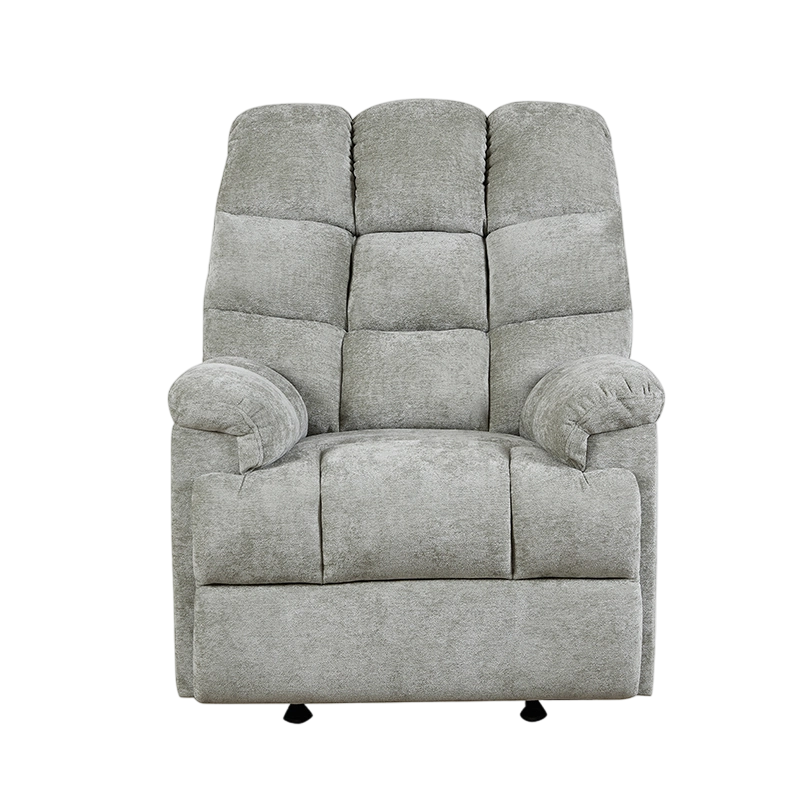
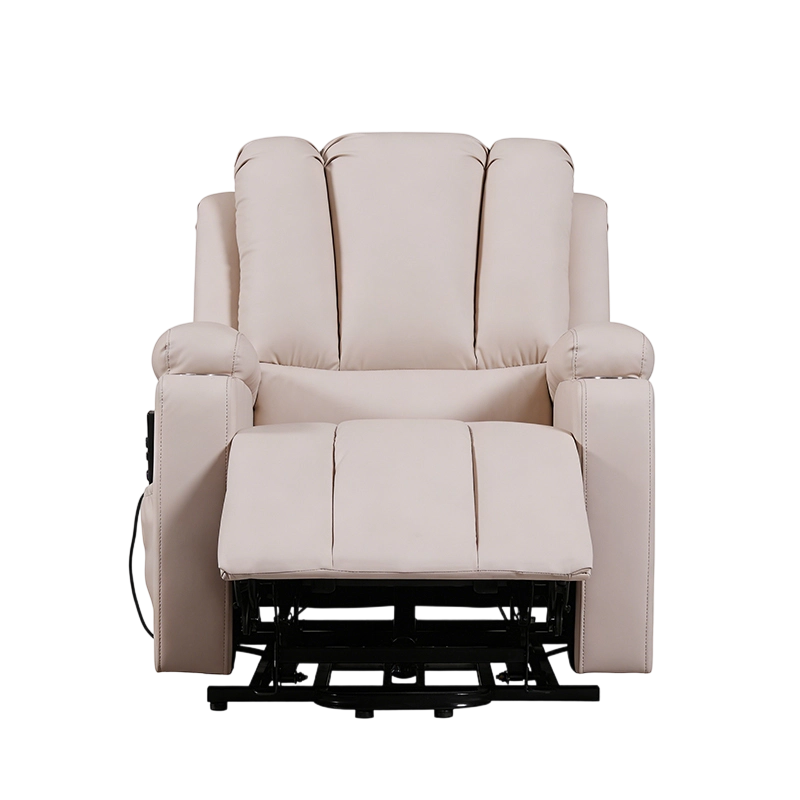
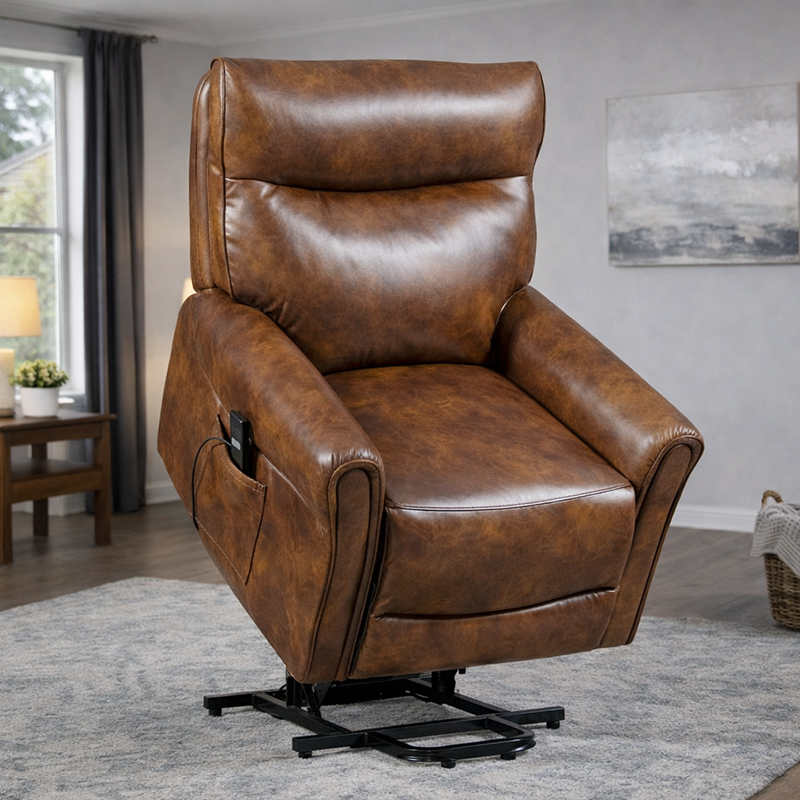 Overstuffed Power Lift Recliner with Wide Seating and Side PocketThis heavy-duty lift chair pairs high-density foam with a reinforced frame, offering extra-wide seats and deep cushioning to relieve pressure for larger users during extended sitting.View Product →
Extra-Wide Seating, Fabrics, and Therapeutic Options
Extra-wide seating is another defining feature. Seat widths of 22 to 30 inches accommodate users who need additional space, while deeper seat decks support longer legs. The combination of a reinforced frame and a properly proportioned seat ensures the user does not feel the frame edge beneath the foam.
Massage and heat functions are frequently paired with heavy-duty lift chairs as therapeutic extras. Vibration massage can ease muscle tension, while low-wattage heat pads soothe stiff joints. These features add value without interfering with the frame's structural integrity.
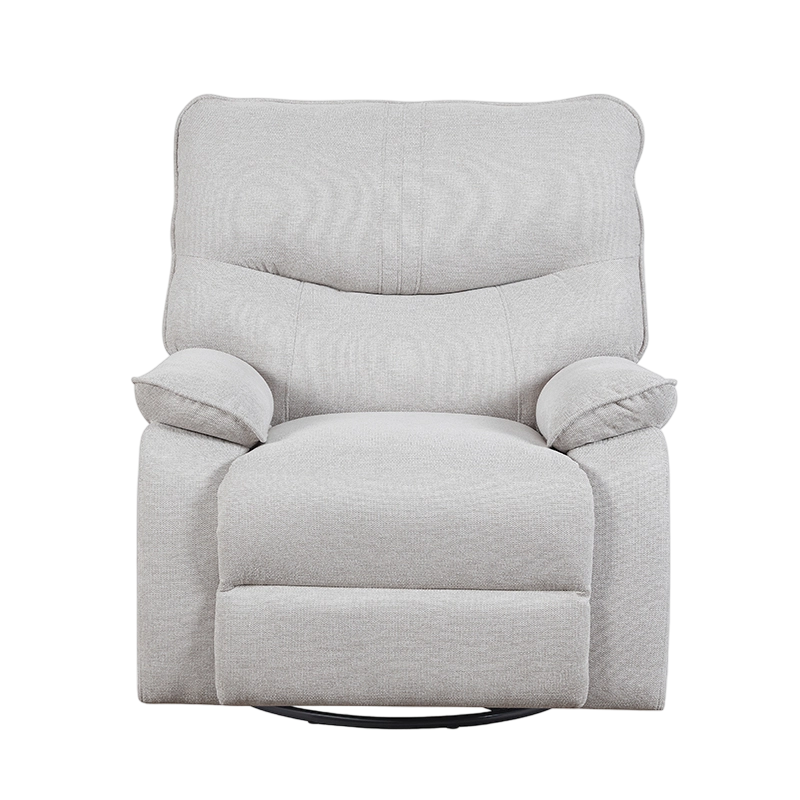
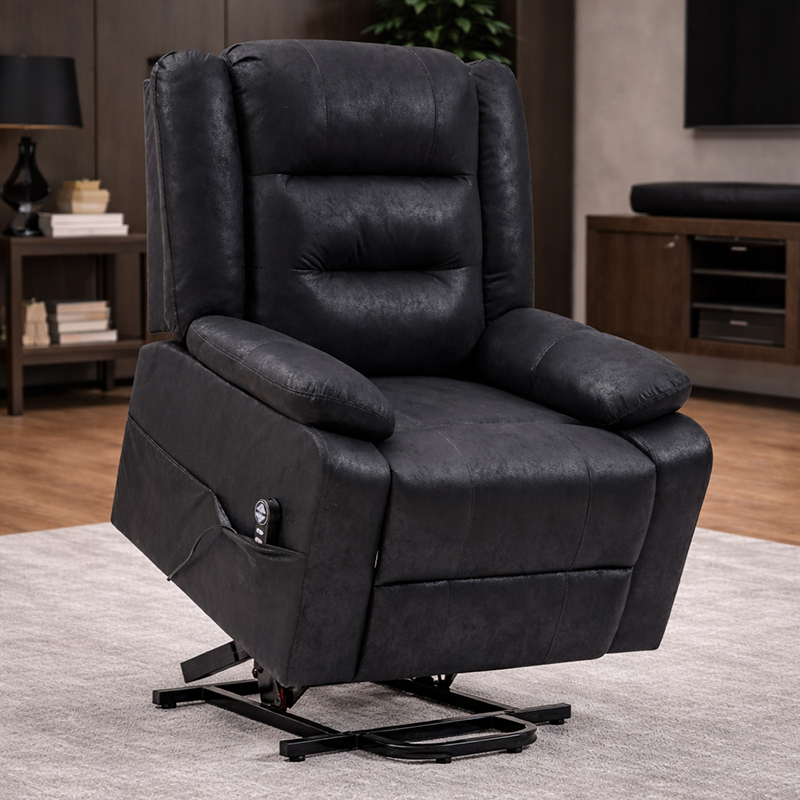 Heavy-Duty Lift Recliner with 8-Point Massage and Lumbar HeatCombining counter-balanced lift assistance with vibration massage and lumbar heating, this durable metal-frame chair helps ease muscle tension while supporting safe standing transitions.View Product →
Fabric choices also matter. Breathable leather and chenille upholstery resist daily friction from reclining and lifting motions, and both are available in heavy-duty configurations for users who need extra support.
Sourcing Heavy-Duty Power Lift Chairs: What Buyers Should Verify
When sourcing heavy-duty power lift chairs for a residential or healthcare product line, go beyond the listed weight capacity and inspect the engineering details that make it achievable. Ask the manufacturer for the steel gauge, the actuator force rating, and the number of dynamic cycle tests performed.
Extra-wide models are especially important if your target market includes bariatric users or seniors who need generous seating space. A supplier that delivers reinforced frames with wider seat platforms gives you a distinct advantage in this growing segment.
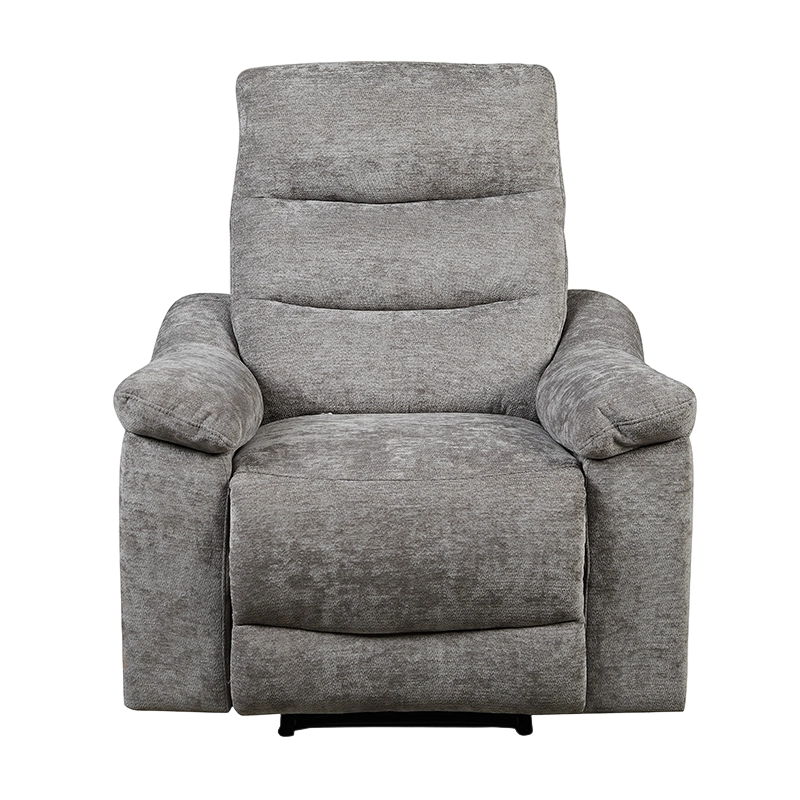
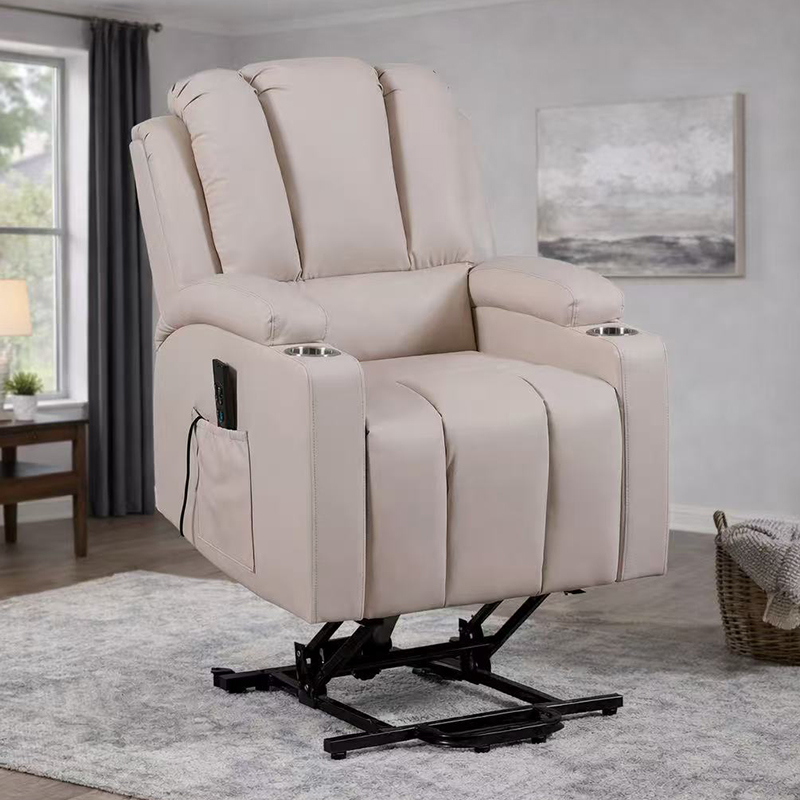 Extra-Wide Leather Power Lift Recliner with Overstuffed Pillow SupportBuilt with a solid metal frame and high-density foam, this extra-wide lift chair provides generous seating space and smooth power recline, ideal for bariatric seniors needing stability.View Product →
Customization is another consideration. Furniture brands often require specific fabrics, stitching, or control options. Working with a factory that operates its own frame and foam production lines shortens lead times and gives buyers more control over final quality.
If you are new to this category, start by reviewing our heavy-duty power lift recliner buying guide, which covers capacity ranges and common specification pitfalls. Buyers who need reassurance about production capabilities can also learn more about our manufacturing facility and export experience in Anji, China.
Frequently Asked Questions
Q1: What weight capacity can a heavy-duty power lift chair support?
Most heavy-duty models are rated between 350 and 700 pounds. A higher capacity requires a reinforced frame, a stronger actuator, and a wider seat platform engineered as one system.
Q2: What steel thickness is used in reinforced lift chair frames?
Quality heavy-duty frames typically use high-tensile steel tubing with a wall thickness of 1.5 mm or more, combined with full-seam welds at load-bearing joints.
Q3: How can a buyer verify the real load-bearing quality of a lift chair frame?
Review static load test reports, dynamic cycle test results, and safety margin data from the manufacturer. Transparent documentation is the most reliable indicator of structural integrity.
Q4: Do heavier users need a wider seat as well as a reinforced frame?
Yes. Frame reinforcement handles the load, while a wider and deeper seat prevents edge pressure and improves pressure distribution. The two must be designed together.
Q5: Are massage and heat functions available on heavy-duty models?
Many heavy-duty lift chairs include vibration massage and low-wattage heat pads. These features add therapeutic comfort without reducing the rated weight capacity.
The reinforced frame of a heavy-duty power lift chair is the foundation for everything else: safe lifting, stable reclining, and lasting service. Whether you are sourcing for a healthcare program, an elder-care retail line, or a hospitality project, insist on reinforced frames, honest load ratings, and production partners who can prove the engineering behind the numbers. A well-built heavy-duty lift chair pays back with fewer returns, fewer service calls, and end users who feel secure every time they sit down.
LET'S TALK

Bai Shuiwan Industrial Park, Tian Huangping Town, Anji County, Huzhou City, Zhejiang Province, China
More About Us 
-
+86 18257273741
-
[email protected]
CONTACT US
Copyright © Anji Xuanbo Household Co., Ltd. All Rights Reserved.
Custom Modern Upholstered Sofa Manufacturers


